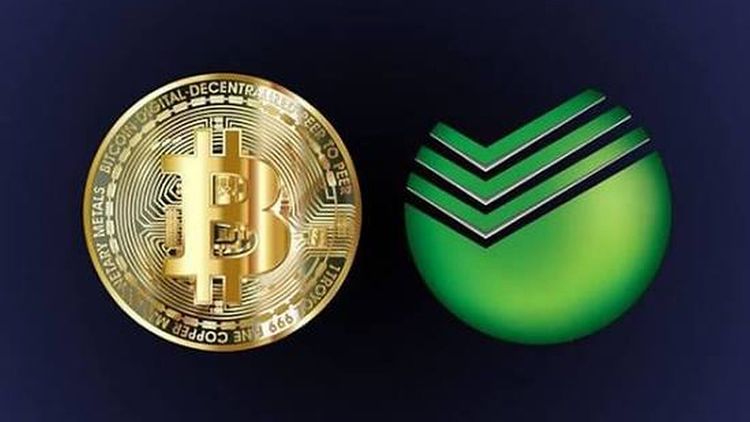

Investors in Russia Are Being Scammed With “Crypto Trading on the Moscow Exchange”
Russian investors are being targeted by a new fraud: criminals offer “access to cryptocurrency trading on the Moscow Exchange,” but it is a scam built to drain your accounts. The scheme was flagged in June 2026 by the Moshelovka project of the People’s Front. The threat is not minor: in 2024 alone, U.S. consumers reported losing $5.7 billion to investment scams, more than any other fraud category, and similar crypto schemes are now spreading in Russia.
What Is the “Moscow Exchange Crypto Trading” Scam?
At its core, the scam is a phishing operation that impersonates a trusted institution. Phishing is a technique where fraudsters copy the look of an official website or service to trick you into entering sensitive data, which they then use to steal your money. Here, scammers pose as representatives of the Moscow Exchange to make a fake “crypto trading” offer look legitimate.
Victims are found on social networks and in messengers. A potential investor receives a targeted ad or a private message from someone claiming to be an “accredited broker of the Moscow Exchange” or a “technical partner of the trading platform.” This channel matters: in 2024, 70% of people contacted by scammers on social media reported losing money, a total of $1.9 billion according to the FTC.
How the Scam Works, Step by Step
- Contact. You receive a targeted ad or direct message from a fake “broker” or “technical partner” of the exchange.
- The hook. The scammer claims the exchange launched a pilot project, offering a “unique opportunity” to buy crypto for rubles at a fixed Central Bank rate.
- The pressure. They manufacture false urgency and exclusivity so you act before you can verify anything.
- The trap. Once you show interest, they send a link to a so-called “closed gateway” for trading access.
- The theft. The link is a phishing site that copies official designs. The moment you enter your details, the account is drained, and recovery is nearly impossible.
This pattern mirrors what the FBI documents: fraudsters often reference a well-known platform to prove legitimacy before redirecting victims to a scam site. In 2024, the FBI’s Internet Crime Complaint Center recorded $5.8 billion in reported losses from cryptocurrency investment scams alone.
Key Terms, Explained
- Closed gateway - a fake “private access portal” the scammers claim is required to join the trading. It does not exist; it is simply a phishing page built to capture your data.
- Phishing site - a counterfeit website that imitates an official brand in order to steal logins, card numbers, or wallet keys.
- Accredited broker - a real, licensed intermediary authorized to operate on an exchange. Scammers fake this status, while genuine brokers are listed by the regulator.
- Fixed Central Bank rate lure - a false promise to sell crypto at a special, below-market rate “guaranteed” by the Bank of Russia. No such offer exists for private individuals via messengers.
Red Flags of the Scam
- An unsolicited message or ad offering “crypto trading on the Moscow Exchange.”
- Promises of guaranteed profit or a special “fixed Central Bank rate.”
- Pressure to act fast because the “opportunity” is limited or exclusive.
- A request to enter your data on a “closed gateway” or any unfamiliar link.
- A “broker” who contacts you first and cannot be found in the official register.
How to Protect Yourself
The FTC notes that most scams share three warning signs: urgency, an unusual payment method, and attempts to isolate you from outside advice. To stay safe, follow a few simple rules:
- Never follow links from private messages or enter card and wallet details on unfamiliar sites.
- Verify any “broker” against the official register on the Bank of Russia website before sending money.
- Ignore promises of high returns and any “limited-time” pressure to decide now.
- Remember that legitimate platforms never invite you into closed chats or rush a transfer.
The Numbers Behind Crypto Investment Scams
- $5.7 billion - U.S. losses to investment scams in 2024, the single largest fraud category, per the FTC.
- 79% of people who reported an investment scam lost money, with a median loss above $9,000 (FTC).
- $5.8 billion - reported losses from cryptocurrency investment scams to the FBI’s IC3 in 2024.
- $1.9 billion - losses from scams that began on social media in 2024 (FTC).
Key Takeaways
The “Moscow Exchange crypto trading” offer circulating on social media and in messengers is a phishing scam, not a real product.
- Scammers impersonate accredited brokers and lure victims to a fake “closed gateway” to steal funds.
- The Moscow Exchange runs all official trading only through licensed Russian brokers listed on the Bank of Russia website.
- If someone messages you first, promises a special rate, and rushes you, it is fraud. Verify before you act.
Crypto markets expert and head of content and marketing at EIDEX. Covers market structure, exchange infrastructure and cross-chain trading - turning on-chain data and market shifts into clear, actionable research for traders.