Digital Ruble Scam: Fake QR Codes and 'Pension Transfer' Calls
A digital ruble scam is any fraud scheme that uses Russia's new central bank digital currency as bait. The digital ruble became widely available on September 1, 2026, when Russia's largest banks began offering it to customers, and fraudsters moved in straight away, betting that few people yet know how a normal digital ruble payment looks. Here are the schemes reported so far and how to protect yourself.
Key takeaways
- The digital ruble is accessed only through your own bank's app; there is no separate wallet to download.
- A seller never needs to scan a QR code to receive a digital ruble payment.
- Switching to the digital ruble is voluntary: nobody can convert your savings or pension without your consent.
- The digital ruble pays no interest, so any "digital ruble investment" with guaranteed returns is fake.
- Never share SMS codes, whoever the caller claims to be.
What the digital ruble is
The digital ruble is Russia's central bank digital currency (CBDC) and the third form of the national currency alongside cash and bank deposits. It runs on the Bank of Russia's digital platform, and people access it through their commercial banks' apps. It is designed for payments and transfers, not for saving. For a full explainer, see our guide to the digital ruble.
How the fake QR code scam works
The scheme was described by Federation Council senator Andrei Sheikin. On classified-ad sites, a "buyer" tells the seller they have already paid in digital rubles and asks the seller to open a link or scan a QR code so the money "arrives". The link leads to a fake bank page that asks for a login, password and card details.
In a real QR payment, the buyer scans the code, checks the amount and the recipient, and confirms the transfer. The seller does not need to scan anything: incoming digital rubles simply appear in the seller's banking app. If a "buyer" insists otherwise, you are looking at a digital ruble scam.
Other digital ruble scams
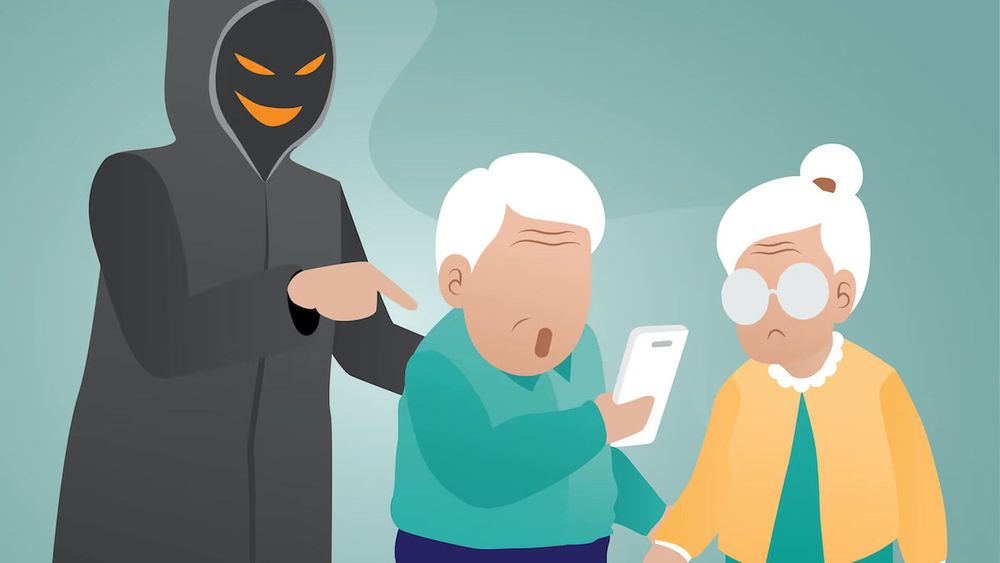
- "Your pension will be converted." According to Moshelovka, the anti-fraud project of the People's Front, elderly people get calls from supposed Central Bank or bank staff who say their pension is being moved into digital rubles. To "opt out", the victim is asked to read out an SMS code, which hands the fraudsters access to their account.
- A "secret decree" on forced conversion. Fake officials claim that savings will be converted into digital rubles at an unfavourable rate unless the victim acts immediately.
- Fake investment platforms. Websites styled with a digital ruble logo and a "personal manager" promise guaranteed returns, then disappear with the deposit.
- Phishing sites and clone apps. Pages copying the Bank of Russia's branding and apps imitating a "digital ruble wallet" ask for online banking credentials "to activate access".
Galaktion Kuchava, an expert at People's Front Analytics, told TASS that fraudsters actively exploit the launch as a news hook and listed fake investment sites, phishing pages and clone wallet apps among the schemes already in use. All of them rely on the same two levers: urgency and a request for data or codes. We describe how such pages are built in our guide to crypto phishing scams.
Why fraudsters use the digital ruble
Any new financial product becomes bait, and the September launch was one of the biggest financial news stories of the year in Russia. The playbook itself is old: the same calls about "safe accounts" and fake bank pages were used with ordinary bank accounts for years. What changed is the label. Until people learn what a genuine digital ruble transaction looks like, a forged one is easier to pass off.
How to protect yourself from a digital ruble scam
- Use the digital ruble only in your own bank's app. There is no separate wallet to install from a link.
- Remember that switching is voluntary. Nobody will convert your pension or savings without your consent.
- Never share SMS codes. Not with "Central Bank staff", not with "bank security", not with a buyer.
- Do not open links or scan QR codes sent by buyers. Check incoming payments in your banking app yourself.
- Treat guaranteed returns as a red flag. The digital ruble is a payment tool, not an investment.
- Act fast if you slip up. Call your bank on the number printed on your card, block access and file a police report.
Do I need to scan a QR code to receive digital rubles?
No. When you are paid by QR code, the payer scans it. As a recipient you do nothing: the money appears in your banking app.
Can my pension be converted into digital rubles without my consent?
No. Opening a digital ruble wallet is voluntary, and calls warning about automatic conversion are a known fraud scheme.
Is there a separate digital ruble wallet app?
No. The digital ruble is accessed through your existing bank's app. Standalone "digital ruble wallet" apps and sites are clones built to steal credentials.
What should I do if I fell for a digital ruble scam?
Call your bank immediately using the number on your card, block your cards and online banking, change your passwords and report the fraud to the police. The sooner the bank knows, the better the chance of stopping the transfers.
Crypto markets expert and head of content and marketing at EIDEX. Covers market structure, exchange infrastructure and cross-chain trading - turning on-chain data and market shifts into clear, actionable research for traders.