Жалған полицейлер, нағыз Rolex сағаттары: Үш ер адам Лондоннан $5.4M крипто алаяқтығын қалай жүргізді
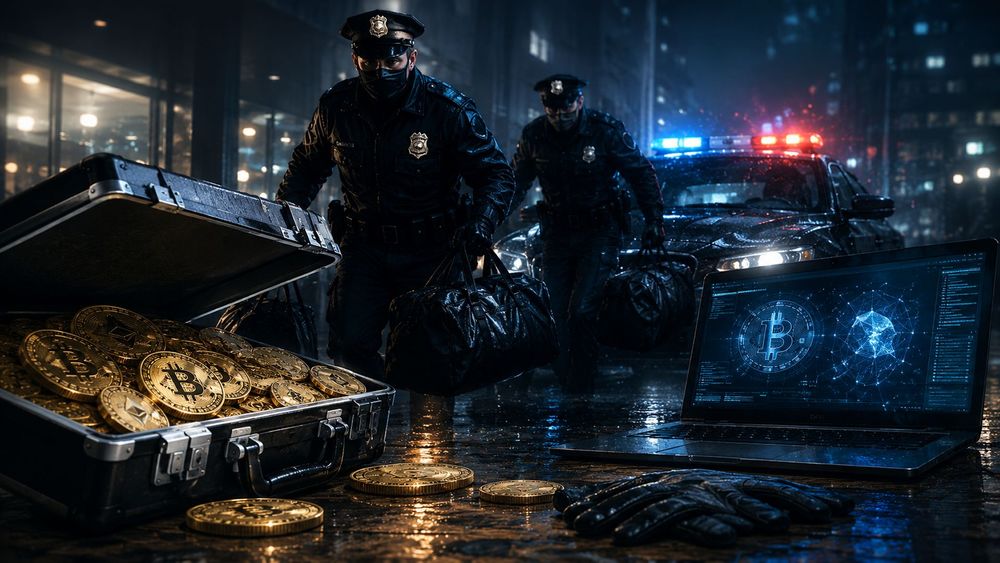
Лондон соты сегіз жәбірленушіден 4 миллион фунт стерлингтен (шамамен 5.4 миллион доллар) астам криптовалютаны алдап алған үш ер адамға түрме жазасын тағайындады. Тергеушілердің айтуынша, топ әмияндарды бұзбаған немесе ешқандай кодты бұзбаған - олар жай ғана полиция қызметкерлері болып көрініп, өз нысаналарын қорқытып, оларды өз ақшаларын беруге біртіндеп итермелеген.
Бұл жағдай қазіргі крипто алаяқтығының техникалық эксплойттардан психологияға қалай ауысқанының оқулық үлгісі болып табылады. Ең әлсіз буын сирек blockchain болады; ол экран алдында тұрған адам.
"Полиция" алаяқтығы қалай жұмыс істеді
Бірнеше жыл бойы топ әлеуетті жәбірленушілерді әдістемелік түрде іздеді, содан кейін барлық дерлік адамдар қорқатын нәрсеге сүйенді: заңмен проблемалар. Қызметкерлер ретінде көрініп, алаяқтар өз нысаналарына олардың тергеуде екенін немесе олардың шоттары бұзылғанын ескертті және егер олар дереу әрекет етпесе, қылмыстық қудалаумен қорқытты.
Одан кейін жәбірленушілер ресми полиция порталдарына ұқсас етіп мұқият жасалған жалған веб-сайттарға жіберілді. Бұл жалған беттерде адамдарға "қауіпті шотты бұғаттау" немесе "ұрланған ақшаны қайтару" үшін өз қаражаттарын ауыстыру қажет екендігі айтылды. Шын мәнінде, әрбір аударым тікелей қылмыскерлер басқаратын әмияндарға түсті.
Бұл схеманың данышпандығы - және қауіптілігі - оның қарапайымдылығында болды. Зиянды бағдарлама, антивирустық бағдарлама белгілеуі мүмкін фишингтік сілтеме және жүктеуге болатын күдікті файл болған жоқ. Тек сенімді билік өкілі, шұғыл жағдай және кәсіби көрінетін веб-сайт. Крипто құрбанның әмиянынан шыққаннан кейін, ол жоғалып кетті: блокчейн транзакциялары қайтарылмайды, ал қаражат күрделі қаржылық желі арқылы тез жылыстатылды.
Олар кім болды - және қанша мерзім алды
Топ жетекшісі 29 жастағы Энтони Икенве деп танылды. Ол алаяқтық жасау үшін қастандық жасағаны үшін алты жылға және ақшаны жылыстатқаны үшін тағы бес жылға сотталды. Ұлыбританияда мұндай жағдайларда жазалар бірінен соң бірі орындалатындықтан, Икенве барлығы 11 жылды темір тор артында өткізеді.
Топтың екінші мүшесі, 25 жастағы Кевин Нвамма да дәл осындай 11 жылдық мерзім алды. Үшінші айыпталушы, 23 жастағы Хамза Башир алты жыл тоғыз айға сотталды.
Тергеу өткен жылдың қаңтар айында, бірнеше жәбірленушілер алға шығып, не болғанын хабарлағаннан кейін басталды. Бірнеше шағымнан басталған іс ақыры бірнеше елді қамтыған көпжылдық операцияны әшкереледі.
£444 жалақымен сәнді өмір салты
Мүмкін, ең таңқаларлық егжей-тегжей - ер адамдардың мәлімдегендері мен олардың нақты өмір сүргендері арасындағы алшақтық. Полицияның айтуынша, қылмыскерлер ұрланған криптоны сәнді өмір салтын қаржыландыру үшін пайдаланған - көліктер, дизайнерлік киімдер және Rolex сағаттарын сатып алған. Алайда айыпталушылардың бірінің ресми жылдық кірісі небәрі £444 немесе шамамен $597 деп тіркелген.
Бұл сәйкессіздік жай ғана ұятты жағдай емес; бұл тергеушілерге істі құруға көмектескен қызыл жалау болды. Жылына бірнеше жүз фунт табатын адам әлемді аралап, қымбат сағаттар тақса, ақша бір жерден келуі керек.
Тергеушілер оларды қалай ұстады
Істі ашу ақшаны қадағалауға байланысты болды - желіде де, желіден тыс та. Тергеушілер шамамен 1.34 миллион доллар крипто активтерін Икенвеге байланысты әмиян мекенжайларына қадағалап, блокчейн ізін тікелей нақты адамға қайтарды.
Физикалық дәлелдер де сондай айқын болды. Билік Дубайдағы банк сейфінде сақталған 673,150 доллар қолма-қол ақшаны тапты. Оған қоса, топтың саяхат әдеттері оларды әшкереледі: мүшелер жиі Таиланд, Жапония, Париж, Миконос, Мальдив аралдары және Сейшел аралдарында демалды. Олардың жарияланған кірістері көтере алмайтын осы қымбат сапарлар құқық қорғау органдарының назарын аударып, желіні біріктіруге көмектесті.
Криптоны қадағалау мүмкін емес деп есептейтін кез келген адам үшін қорытынды: олай емес. Әрбір транзакция қоғамдық тізілімде тұрақты түрде жазылады, ал блокчейн аналитикасы бүкіл әлемдегі тергеушілер үшін стандартты құралға айналды.
Үлкенірек жеке басын ұрлау үрдісінің бөлігі
Бұл жағдай оқшауланған оқиғадан алыс.Жеке басын ұрлау алаяқтықтары - қылмыскерлер сенімді мекемелер немесе компания өкілдері ретінде көрінетін жерде - крипто кеңістігіндегі ең көп таралған тактикалардың біріне айналуда.
Мысалы, осы шілде айында белгісіз тұлғалар HashKey Group криптофирмасының HR-менеджерлерінің атын жамылып, жалған жұмыс сұхбаттары арқылы жұмыс іздеушілерден құпия ақпаратты алуға тырысты. HashKey компаниясы LinkedIn, электрондық пошта және басқа арналар арқылы байланысқан алаяқтардан көптеген шағымдар алғанын мәлімдеді, олардың барлығы компанияда жұмыс істейтінін айтқан.
Ортақ тақырып - сенім. Ол «полиция қызметкері», «рекрутер» немесе «қолдау көрсету агенті» болсын, алаяқтың нақты өнімі техникалық емес - бұл сенімді кейіпке енген өкілеттік пен шұғылдық.
Өзіңізді қалай қорғауға болады
Бірнеше қарапайым әдеттер осы тектес алаяқтықтың барлығын дерлік бейтараптандыра алады. Нағыз полиция мен мемлекеттік органдар сізден ешқашан криптовалютаны «қауіпсіз» әмиянға аударуды немесе аударым жасау арқылы істі шешуді сұрамайтынын есте сақтаңыз. Осылай жасалған кез келген сұрау - алаяқтық, нүкте.
Шұғылдыққа терең күмәнмен қараңыз. Алаяқтар сіздің пайымдауыңызды қысқарту үшін дүрбелеңге сүйенеді, сондықтан баяулаңыз және ресми арналар арқылы тексеріңіз - бөтен адам берген байланыс деректерін емес, өзіңіз тапқан байланыс деректерін пайдаланыңыз. Веб-сайт мекенжайларын екі рет тексеріңіз, өйткені жалған порталдар көбінесе нақты порталдарды логотипке дейін қайталайды. Және ешқашан ешкіммен бөліспеңізseed phrases, private keys немесе тіркелгі деректерін, олар қаншалықты ресми болып көрінсе де.
Қорытынды
Лондондағы оқиға криптоқылмыс техникалық мәселе ғана емес, сонымен қатар адам мәселесіне айналып бара жатқанын еске салады. Үш адам блокчейнді алдау арқылы емес, адамдарды алдау арқылы - қорқынышты, билікті және сол сәттегі қысымды пайдалана отырып, 5,4 миллион доллар жымқырды.
Жақсы жаңалық, бұл схемалар нысана ойлану үшін кідірген сәтте күйрейді. Шағымды тексеру үшін бір рет қоңырау шалу немесе қаражат жібермес бұрын бір сәттік кідіріс жиі жеткілікті, бұл ықтимал құрбанды алаяқтар үшін жаман күнге айналдырады.
Лондондағы жалған полицияның крипто ісінде не болды?
Лондон соты сегіз жәбірленушіден 4 миллион фунт стерлингтен (шамамен 5,4 миллион доллар) астам криптовалютаны алдап алған үш адамды соттады. Олар әмияндарды бұзған жоқ немесе ешқандай кодты бұзған жоқ - олар полиция қызметкерлері болып көрінді, өз нысаналарын қорқытты және оларды ресми полиция порталдарына ұқсайтын жалған веб-сайттарға бағыттады.
Жалған полиция алаяқтығы қалай жұмыс істеді?
Қызметкерлер ретінде көрініп, алаяқтар нысаналарға олардың тергеуде екенін немесе олардың шоттары бұзылғанын ескертті және қылмыстық қудалаумен қорқытты. Жалған полиция порталдарында жәбірленушілерге «қауіпті шотты бұғаттау» немесе «ұрланған ақшаны қайтару» үшін қаражатты аудару керектігі айтылды - шын мәнінде әрбір аударым тікелей қылмыскерлер басқаратын әмияндарға түсті.
Алаяқтар қандай жаза алды?
Топ басшы Энтони Икенве, 29 жаста, алаяқтық жасау үшін қастандық жасағаны үшін алты жылға және ақшаны жылыстатқаны үшін бес жылға бас бостандығынан айырылды - барлығы 11 жыл. Кевин Нвамма, 25 жаста, дәл осындай 11 жылға бас бостандығынан айырылды, ал 23 жастағы Хамза Башир алты жыл тоғыз айға сотталды.
Тергеушілер оларды қалай ұстады?
Ақшаны тізбекте және одан тыс жерде қадағалау арқылы. Тергеушілер шамамен 1.34 миллион доллар криптоны Икенвеге байланысты әмиян мекенжайларына қадағалады, Дубайдағы сейфтік жәшіктен 673,150 доллар қолма-қол ақша тапты және жылдық кірісі небәрі 444 фунт стерлингпен түсіндіруге болмайтын сәнді саяхаттар мен Rolex сағаттарын байқады.
Өзімді жеке басын ұрлау алаяқтықтарынан қалай қорғай аламын?
Нағыз полиция мен мемлекеттік органдар ешқашан сізден криптовалютаны «қауіпсіз» әмиянға ауыстыруды сұрамайды. Шұғылдыққа күмәнмен қараңыз, өзіңіз тапқан байланыс деректерін пайдаланып ресми арналар арқылы тексеріңіз, веб-сайт мекенжайларын екі рет тексеріңіз және ешқашан бастапқы фразаларды, жеке кілттерді немесе тіркелгі деректерін ешкіммен бөліспеңіз.
EIDEX криптонарық сарапшысы әрі контент және маркетинг бөлімінің басшысы. Нарық құрылымы, биржа инфрақұрылымы және кросс-чейн сауда туралы жазады - ончейн деректер мен нарық өзгерістерін трейдерлерге арналған нақты әрі пайдалы талдауға айналдырады.