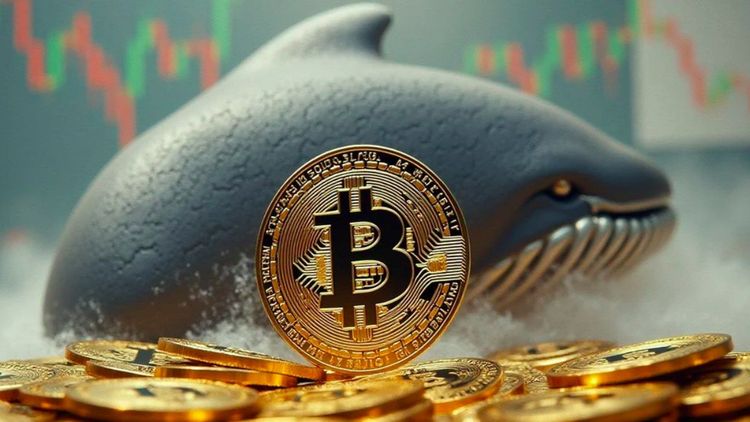

War, Inflation, and a Fragile Truce: How the Conflict Around Iran Shakes Cryptocurrencies
The US and Iran have once again entered an active phase of armed confrontation, and the fate of the Strait of Hormuz is again in question. Investors were somewhat reassured by fresh statistics on inflation and the labor market in America. Let us break down what happened to the largest coins and what the crypto market can expect in the coming days.
Geopolitics Is Pressuring the Market Again
Bitcoin's latest decline was directly aided by the military conflict: the truce between Iran and the US proved short-lived, and for almost the entire week the sides have been exchanging strikes. Any escalation around Iran hits risk appetite, and cryptocurrencies, as the most sensitive asset class, are the first to catch this nervousness.
Friction between Washington and China added to the tension. President Donald Trump accused Beijing of interfering in the 2020 election, claiming that representatives of the Middle Kingdom had access to 220 million votes - and, in part, so did Iran and Russia. China rejected the accusations, and tensions began to rise again. Against this backdrop, crypto investors set about looking for a safe haven away from volatile assets, shifting into more protected instruments and cutting risky positions.
A separate concern is tied to infrastructure. If the conflict affects the region's power grids, mining could also come under threat: power outages directly affect the cost of production and where it is profitable to keep equipment. There is no direct effect yet, but market participants are watching the situation closely. Historically it is the energy factor that makes mining sensitive to any conflicts in the Middle East: as oil rises, so does electricity, and the cost of producing coins rises along with it.
Bitcoin: A Correction After a Three-Week Peak
Bitcoin fell 1.88% between July 10 and July 17, 2026. Having reached a three-week peak of $65,518 on Wednesday, July 15, the first cryptocurrency moved into a local correction. With the exception of a single session on Tuesday, all trading days closed in the red. Investors preferred to lock in profits rather than build up positions amid alarming headlines.
The drop could have been deeper, but bitcoin was helped by June inflation data in the US. The consumer price index came in at 3.5% - 0.3% below the consensus forecast of 3.8%. The core figure, excluding food and energy, stood at 2.6%. Slower price growth reduces the risk of a Fed rate hike, which supported the price: a softer monetary policy traditionally plays into the hands of risk assets, including digital ones.
That said, after a week of inflows, spot Bitcoin ETFs again showed an outflow of capital - a modest one, at $56.62 million. Investors most actively withdrew money from the Fidelity fund, which saw $176.89 million leave over seven days. Technically, bitcoin has been trading for a second month in a wide range between support at $57,735 and resistance at $67,253, while the Fear and Greed Index rose four points to 27 - still in the fear zone, but no longer extreme.
Ethereum and Altcoins: Cautious Optimism
Ether gained a symbolic 1.79% over the week. In the first half of the week, ETH climbed above $1,940 - for the first time in more than a month and a half - but after July 15 it too moved into a correction. Meanwhile, spot Ether ETFs recorded inflows for a second week running: $68.72 million came in over the reporting period, with the BlackRock fund taking the lead.
Technically, ether's trend looks rather upward: the price is holding above the 50-day moving average, and the RSI indicator is above 50. The nearest support and resistance levels are $1,800 and $1,944.8.
Another detail is telling: mentions of ether and bitcoin on social media have noticeably decreased - down to 2020 lows. The word Ethereum appears fewer than 40,000 times, and Bitcoin around 130,000. This points to declining interest from retail investors, despite demand from large players. It is worth being wary: in past years, periods of quiet on social media often preceded stagnation or falling prices.
Among the altcoins, Chainlink stood out: the number of non-zero wallets on its network reached a record 900,000, and the team reported eight new integrations at once with major protocols and platforms. Over the week the coin added 3.89%, though as recently as July 15 the gain exceeded 7%. Among the notable news items are a Pi Network update with support for private smart contracts and the launch of customizable indices by Virtuals Protocol.
What's Next: Scenarios for the Crypto Market
The coming days will be determined by a pairing of two factors - geopolitics and macro data. As long as crypto and Iran remain in the same news agenda, any report of fighting or a blockade of the Strait of Hormuz will pressure prices and spur an outflow into safe-haven assets.
On the other hand, soft inflation and inflows into spot Ether ETFs give the bulls reason for cautious optimism. If tensions around Iran and Israel ease, and the number of on-chain transactions and network activity keep growing, the market could quickly recover its losses. The stance of the US also affects sentiment: the tougher Washington's rhetoric, the higher the volatility.
It is worth remembering that the crypto market lives on emotion in such moments: panic and greed replace one another over hours, not weeks. Those who act on a plan rather than on headlines usually come out ahead in cycles like this. The bottom line is simple: the market is stuck between fear and greed. Bitcoin is holding its range, ether is looking up, but for now geopolitical risk outweighs everything else. Investors should watch how the conflict develops and not give in to panic on sharp news swings.
Why did bitcoin fall this week?
Bitcoin lost 1.88% between July 10 and July 17, 2026. The truce between Iran and the US proved short-lived, the sides exchanged strikes for almost the entire week, and any escalation around Iran hits risk appetite. After reaching a three-week peak of $65,518 on July 15, investors preferred to lock in profits amid alarming headlines.
What supported the crypto market amid the conflict?
June inflation data in the US. The consumer price index came in at 3.5% - 0.3% below the consensus forecast of 3.8%, with the core figure at 2.6%. Slower price growth reduces the risk of a Fed rate hike, and softer monetary policy traditionally plays into the hands of risk assets, including digital ones.
What is happening with spot crypto ETFs?
Spot Bitcoin ETFs showed a modest outflow of $56.62 million after a week of inflows, with the Fidelity fund losing $176.89 million over seven days. Spot Ether ETFs, by contrast, recorded inflows for a second week running - $68.72 million, with the BlackRock fund taking the lead.
What are the key levels for bitcoin and ether right now?
Bitcoin has been trading for a second month in a wide range between support at $57,735 and resistance at $67,253, and the Fear and Greed Index rose to 27 - still the fear zone. Ether is holding above the 50-day moving average with RSI above 50; its nearest support and resistance levels are $1,800 and $1,944.8.
What should the crypto market expect next?
The coming days will be determined by geopolitics and macro data. Any report of fighting or a blockade of the Strait of Hormuz will pressure prices, while soft inflation and inflows into spot Ether ETFs give the bulls reason for cautious optimism. If tensions ease and network activity keeps growing, the market could quickly recover its losses.
Crypto markets expert and head of content and marketing at EIDEX. Covers market structure, exchange infrastructure and cross-chain trading - turning on-chain data and market shifts into clear, actionable research for traders.