Ресейдегі криптосалық: 2026 жылға арналған мөлшерлемелер, есептеу және төлеу мерзімдері
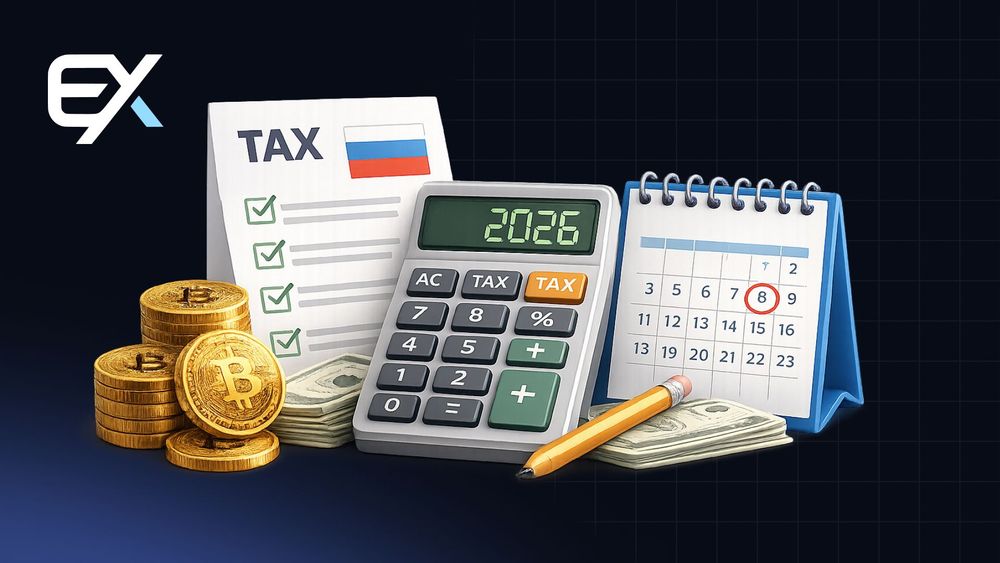
2026 жылы Ресейдегі крипто салықы келесідей жұмыс істейді: резидент жеке тұлғалар жылдық пайдадан 2.4 миллион рубльге дейін 13% және одан жоғары 15% жеке табыс салығын төлейді; майнинг 13-22% шкаласына жатады, компаниялар 25% төлейді. Төменде: мөлшерлеме кестесі, мысалдар, 3-NDFL тапсыру қадамдары және кешіктірілген төлем үшін айыппұлдар (2026 жылғы шілдедегі жағдай бойынша).
Соңғы жаңарту: 2026 жылғы 24 шілде. Деректер Ресей Салық кодексімен және FNS мен Ресей Банкінің ресми жарияланымдарымен тексерілген. Бұл материал ақпараттық мақсаттарға арналған және салықтық кеңес болып табылмайды.
Жеке тұлға ретінде криптовалютаға салық төлеу керек пе - және кіріс қашан пайда болады
Ресейде криптовалюта мүлік ретінде танылады (№ 259-ФЗ Федералдық заңы және Салық кодексіне енгізілген өзгерістер № 418-ФЗ Заңына сәйкес), сондықтан крипто транзакциялардан түскен табыс нақты ережелер бойынша салық салынады. Олар 2025 жылдың 1 қаңтарынан бастап қолданылады: бірінші есеп беру маусымы 2026 жылдың көктемінде өтті, сол кезде крипто ұстаушылар жаңа ережелер бойынша алғаш рет құжаттарды тапсырды. Ауқымы айтарлықтай: Ресей Банкі ресейліктердің орталықтандырылған шетелдік крипто биржаларындағы баланстарын шамамен 720 миллиард рубльге бағалайды (Қаржылық тұрақтылық шолуы, 2026 жылдың көктемі). Жеке тұлға криптовалюта бойынша жеке табыс салығы (NDFL) үшін экономикалық пайда нақты болған кезде жауапты болады (2026 жылғы шілдедегі жағдай бойынша):
- криптовалютаны рубльге немесе басқа валютаға сату - fiat money;
- бір цифрлық валютаны басқасына айырбастау: BTC-ті ETH-ке айырбастау қазірдің өзінде иеліктен шығару болып саналады;
- тауарлар немесе қызметтер үшін төлеу: Ресейде крипто төлем құралы ретінде тыйым салынған, бірақ монеталарды контрагентке беру әлі де салық салынатын табыс тудырады;
- криптовалютада төлем алу - мысалы, фриланс жұмысы үшін;
- майнинг - өндірілген цифрлық валюта майнердің бақылауына өткен күні;
- стейкинг сыйақылары мен аирдроптар - бұл да салық салынатын түсімдер.
Криптовалютаны сатып алғанда, оны ұстағанда немесе өз мекенжайларыңыз арасында жылжытқанда табыс туындамайды. Цифрлық активтер нарығының өзі Ресейде заңды: 2026 жылдың жазында 1 шілдеден бастап күшіне енген крипто заңы қабылданды, ол цифрлық валюта саудасын лицензияланған делдалдар арқылы жүргізеді - ол салық ережелерін өзгертпейді.
Ресейдегі крипто салық мөлшерлемелері 2026 жылы: Жеке табыс салығы және Корпоративтік пайда салығы
Мөлшерлеме ұстаушының мәртебесіне және транзакция түріне байланысты (2026 жылғы шілдедегі жағдай бойынша). Ресейде жеке капитал өсіміне салық жоқ екенін ескеріңіз: жеке тұлғаның цифрлық валютадан түскен пайдасы жеке табыс салығына жатады.
| Кім және не | Мөлшерлеме |
|---|---|
| Резидент жеке тұлға: сату және айырбастау | Жылына 2.4 миллион рубльге дейінгі табысқа 13%, артығына 15% |
| Резидент жеке тұлға: майнинг | Бес сатылы шкала бойынша 13-22% (шекті мәндер: 2.4 / 5 / 20 / 50 миллион рубль) |
| Резидент емес | 30% |
| Компания: крипто саудасы | Корпоративтік пайда салығы 25% |
| Компания: майнинг | 25%, операциялық емес кіріс, бөлек салық базасы (Салық кодексінің 282.3-бабы) |
| Жеке кәсіпкерлер және жеңілдетілген жүйедегі (USN) компаниялар: сатып алу және сату | 6% «табыс» немесе 15% «табыс минус шығыстар» |
| Цифрлық валюта транзакцияларына ҚҚС | Алынбайды |
Кестеге бірнеше нақтылау. 2.4 миллион рубль шегі «пассивті» табыс себеті бойынша ортақ: крипто табысы бағалы қағаздар табысына және банк-депозит пайызына қосылады. Мысалы, жылдық нәтиже 3 миллион рубль болса, алғашқы 2.4 миллион 13% (312,000 рубль) мөлшерлемесімен, ал қалған 600,000 15% (90,000 рубль) мөлшерлемесімен салық салынады - барлығы 402,000 рубль. Майнингтің жеке салық базасы бар: оған 13/15% жұбы емес, толық бес сатылы шкала қолданылады. 13-15% мөлшерлемелері салық резиденттеріне қолданылады - Ресейде 12 ай ішінде кемінде 183 күн өткізетіндерге; резиденттік жоғалғаннан кейін барлық крипто табысы 30% мөлшерлемесімен салық салынады.
Мүлікті әдеттегі сатудан маңызды айырмашылық: мұнда салықтық шегерімдер жұмыс істемейді. 250 000 рубль мүліктік шегерім цифрлық валютаға қолданылмайды - ол Салық кодексінің 220-бабынан, сондай-ақ үш жыл иеленгеннен кейінгі босатудан нақты алынып тасталған. Крипто иесінің салықтық шегерімге құқығы жоқ; базаны тек құжатталған шығыстармен азайтуға болады.
Майнинг арнайы салық режимдерімен үйлеспейді: жеңілдетілген жүйе (USN), патенттік жүйе (PSN), ауыл шаруашылығы салығы (ESHN), өзін-өзі жұмыспен қамту (NPD) және автоматтандырылған USN оның барлығына жабық - майнер жалпы режим бойынша жұмыс істейді. Жеңілдетілген жүйе бойынша криптовалютамен сауда жасауға рұқсат етілген, ал өзін-өзі жұмыспен қамту және автоматтандырылған USN кез келген цифрлық валюта операциялары үшін қолжетімсіз. Қаржы министрлігі мұндай операцияларға ҚҚС салынбайтынын, сондықтан «кіріс» салығы туындамайтынын жеке атап өтті (2026 жылғы шілдедегі жағдай бойынша).
Салық базасын қалай есептеу керек: нарықтық баға белгілеулер, FIFO және рубльге айырбастау
Салық базасы - криптовалютаны иеліктен шығарудан түскен түсім, оны сатып алу, сақтау және сату бойынша құжатталған шығындарды шегергенде. Ол қалай есептеледі (2026 жылғы шілдедегі жағдай бойынша):
- Мәміле күніндегі рубльдегі кірісті анықтаңыз. USDT есеп айырысулары үшін келесі арқылы айырбастау ыңғайлыRUB to USDT rate.
- 80% ережесін тексеріңіз: егер сату бағасы шетелдік цифрлық платформалардағы нарықтық баға белгілеудің 80%-нан төмен болса, баға белгілеудің 80%-ы кіріс ретінде қарастырылады. Керісінше, шығыстар нарықтық баға белгілеудің 120%-нан аспайтын мөлшерде қабылданады.
- Шығыстарды шегеру. Жойылған криптовалютаның құны FIFO («бірінші кірген, бірінші шыққан») немесе бірлік құны әдісімен есептен шығарылады; компаниялар таңдалған әдісті өздерінің есеп саясатында бекітеді. Өндірілген монеталар үшін шығыс - бұл өндіру кезеңінде салық салынған сома.
- Жоғарыдағы кестеден мөлшерлемені қолданыңыз.
Мысал.Инвестор 0.05 BTC-ті 300 000 рубльге сатып алып, алты айдан кейін 420 000 рубльге сатты. База 120 000 рубльді құрайды; 13% жеке табыс салығы 15 600 рубльді құрайды.
Айырбастаумен мысал.Бір ETH қаңтарда 200 000 рубльге сатып алынып, тамызда BTC-ке айырбасталды, оның нарықтық бағамы 350 000 рубль болды. Шотқа рубль түспеді, бірақ табыс пайда болды: мәміле үшін салық базасы 150 000 рубльді құрайды, ал 350 000 рубль алынған монеталарды болашақта сату үшін шығыс болады.
Қандай бағамдар жарамды: күнделікті көлемі 100 миллиард рубльден асатын және кем дегенде үш жылдық тарихы бар шетелдік сауда платформасы - критерийлер Салық кодексінде белгіленген. Егер монета бірнеше платформада сатылса, салық төлеуші деректер көзін таңдайды; бастысы - оны дәйекті түрде қолдану және әрбір транзакция күні үшін бағам үзінділерін сақтау.
Анықтамалық нүкте де бар: 2025 жылдың сәуірінен бастап FNS цифрлық валюталардың нарықтық бағамдарын жариялап келеді өзінің ресми сайтында - ондаған монеталар, Binance, Bybit және OKX сияқты ірі шетелдік платформалардан алынған деректермен (2026 жылдың шілдесіндегі жағдай бойынша).
Шығыстар биржалық мәлімдемелермен және есептермен, айырбастаушы түбіртектерімен және банк құжаттарымен расталады. Егер сіз криптовалютаны ешқандай құжатсыз peer-to-peer сатып алсаңыз, базаны азайтатын ештеңе болмайды - салықты барлық түсімнен есептеуге тура келеді.
Криптовалютаны қалай жариялау керек: 3-NDFL декларациясын кезең-кезеңімен толтыру
Биржалар мен айырбастаушылар салық агенттері ретінде әрекет етпейді, сондықтан жеке тұлғалар криптовалютаны сатудан түскен салықты өздері есептейді және төлейді. Майнинг кірісі сол нысанға түседі (2026 жылғы шілдеден бастап).
- Жылдық транзакциялар тарихын жинаңыз: платформа мәлімдемелері, күндер, рубль сомалары.
- Әрбір транзакция үшін салық базасын есептеңіз және нәтижені қосыңыз.
- 3-NDFL декларациясын толтырыңыз: цифрлық валюта түсімдері мүлікті сатудан түскен кіріс ретінде көрсетіледі.
- Декларацияны есепті жылдан кейінгі жылдың 30 сәуіріне дейін тапсырыңыз: 2026 жыл үшін - 2027 жылдың 30 сәуіріне дейін. Ең оңай жолы - FNS веб-сайтындағы салық төлеушінің жеке кабинеті.
- Салықты бірыңғай салық шоты арқылы 15 шілдеге дейін төлеңіз: 2026 жыл үшін - 2027 жылдың 15 шілдесіне дейін.
- Растайтын құжаттарды сақтаңыз: инспекция оларды тексеру кезінде сұрауы мүмкін.
Сомалар нысанға рубльмен енгізіледі, және әр транзакция бойынша есепті жеке құжат ретінде тіркеу керек - бұл камералдық тексеру кезінде туындайтын сұрақтарды жояды.
2025 жылға арналған есеп беру мерзімі өтіп кетті. Егер сізде кіріс болса, бірақ декларация тапсырмасаңыз, қазір ерікті түрде хабарлаған дұрыс: инспекция бұзушылықты таппас бұрын төленген түзетілген декларация төлемегені үшін санкцияларды жояды.
2026 жылғы крипто майнинг салығы: тізілім, ай сайынғы есеп беру және екі салық базасы
Ресейде майнингтің өзіндік реттеуші негізі бар, және мұнда салық салу есептілікке тығызырақ байланысты (2026 жылдың шілдесінен бастап).
Өнеркәсіптік майнинг тек жеке кәсіпкерлер мен тізімде көрсетілген компаниялар үшін қолжетімді FNS майнинг тізілімінде: 2026 жылдың ақпанындағы жағдай бойынша ол 1,500-ден астам компаниялар мен жеке кәсіпкерлерді қамтиды (FNS деректері). Үйдегі майнинг оңайырақ: жеке кәсіпкер мәртебесі жоқ жеке тұлғаға тіркеу қажет емес, егер электр энергиясын тұтыну айына 6,000 кВт/сағ шегінде қалса. Майнинг экономикалық және ауыр қылмыстар бойынша өтелмеген соттылығы бар адамдарға тыйым салынған, ал кейбір аймақтар майнингті толығымен немесе жылыту маусымына шектейді - жабдықты қоспас бұрын жергілікті ережелерді тексеріңіз.
Режимдер арасындағы айырмашылық - ауқым. Шектеулі үйдегі майнинг жеке мәселе болып қалады: жеке тұлға майнинг кірісін 3-NDFL арқылы жариялайды және басқа есептерді тапсырмайды. Өнеркәсіптік майнинг - бұл кәсіпкерлік қызмет: майнинг тізіліміне енгізілмеген мұндай өндіру заңсыз болып саналады, және майнинг кірісіне қосымша бағалаулар жүргізіледі. Жеке санат - инфрақұрылым операторлары арқылы майнинг: клиент жабдықты деректер орталығында орналастырады, бірақ майнинг кірісі бойынша міндеттемелер жабдық иесінде қалады.
Майнинг есептілігі ай сайын: өндірілген цифрлық валюта және мекенжай идентификаторлары туралы ақпарат FNS-ке келесі айдың 20-сына дейін жіберіледі. Деректерді ұсынбау 40,000 рубль айыппұлға әкеледі (Салық кодексінің 129.16-бабы). Инфрақұрылым операторлары өз клиенттері туралы параллельді түрде есеп береді, сондықтан өнеркәсіптік майнинг «көрінбейтін» болып қалмайды.
Майнер екі рет салық төлейді - FNS өндірілген монеталарды заттай алынған кіріс ретінде қарастырады - бірақ қосарланған салық салу жоқ:
- өндірілген криптовалюта алынған кезде: кіріс цифрлық валютаның майнердің бақылауына өткен күні нарықтық бағасына тең болады - бірінші майнинг базасы;
- өндірілген монеталар кейін сатылған кезде: екінші база - сатудан түскен түсімнен майнинг кезеңінде салық салынған соманы және сату шығындарын шегергендегі сома.
Мысал.Майнер алу күні 90 000 RUB нарықтық бағасымен 0.01 BTC алды: бұл сомаға 13% төленуі тиіс. Кейін монеталар 110 000 RUB-ға сатылды: тек 20 000 RUB айырмашылығы жеке табыс салығына жатады.
Электр энергиясы мен жабдық шығындары жеке кәсіпкерлер мен жалпы режимдегі компаниялар үшін шегеріледі; жеке кәсіпкер мәртебесі жоқ жеке тұлға мұндай шығындармен майнинг кірісін азайта алмайды. Цифрлық валюта майнингінен болған шығынды басқа кірістермен өтеуге болмайды.
Цифрлық валютаны сыйға тарту және тегін беру
Сіз криптоны сыйға тарта аласыз, бірақ мәміленің салықтық салдары бар (2026 жылғы шілдеден бастап). Жеке тұлғалар үшін ереже басқа мүліктермен бірдей: алушы цифрлық валютаның алу күніндегі нарықтық құнына жеке табыс салығын төлейді, егер беруші отбасы мүшесі немесе жақын туысы болмаса. Жақын туыстардан алынған сыйлықтар жеке табыс салығынан босатылады.
Заңды тұлғалар үшін қатаңырақ: цифрлық валютаны тегін беру оны иеліктен шығару ретінде қарастырылады, ал берушінің кірісі транзакция күніндегі нарықтық баға белгілеуден анықталады (Салық кодексінің 282.3-бабы). 80% ережесі тегін аударымдарға да қолданылады, сондықтан компания «нөлге сыйлық жасай алмайды».
Инспекция тарапынан сұрақтар туындамауы үшін, сыйлықты жазбаша түрде рәсімдеңіз: келісімшарт немесе қолхат, онда криптоның кімнен келгені және сыйлықтың қандай бағамен бағаланғаны туралы деректер, сондай-ақ күні мен әмиян мекенжайлары көрсетіледі.
Крипто салығын төлемегені үшін айыппұлдар: 2026 жылы айыппұлдар мен өсімпұлдар
Санкциялар нақты не бұзылғанына байланысты және саудадан майнингке дейінгі кез келген цифрлық валюта операцияларына қолданылады (2026 жылғы шілдеден бастап).
| Бұзушылық | Жауапкершілік |
|---|---|
| 3-NDFL декларациясы тапсырылмаған | Әрбір кешіктірілген ай үшін төленуге тиіс салықтың 5%-ы, 30%-дан аспайды, ең аз 1,000 рубль (Салық кодексінің 119-бабы) |
| Салық төленбеген | Берешектің 20% мөлшерінде айыппұл, қасақана болса 40% (Салық кодексінің 122-бабы) |
| Кеш төлеу | Ресей Банкінің негізгі мөлшерлемесінің 1/300 мөлшеріндегі өсімпұл күніне |
| Ауқымды жалтару: үш жыл ішінде 2,7 миллион рубльден астам | Ресей Қылмыстық кодексінің 198-бабы бойынша қылмыстық жауапкершілік - бір жылға дейін бас бостандығынан айыру |
| Аса ірі көлем: 13,5 миллион рубльден астам | Үш жылға дейін бас бостандығынан айыру |
Ақшалай мәнде: негізгі мөлшерлеме 14.25% болғанда (Ресей Банкі 2026 жылғы 19 маусымда белгілеген), кеш төлеу бойынша өсімпұл берешектің күніне шамамен 0.05%-ын құрайды - айына шамамен 1.4%.
FNS банктар арқылы қозғалатын ақшаны көреді: айырбастаушылар мен жеке тұлғалардан түсетін аударымдар биржалық деректерсіз де мәмілелер тізбегін қалпына келтіруге мүмкіндік береді. Крипто активтері бойынша халықаралық ақпарат алмасуды қоссақ, «сұр» цифрлық транзакциялар сирек кездеседі. Қылмыстық жауапкершіліктен жалтару ісі, егер құқық бұзушылық бірінші рет жасалса және берешек, өсімпұлдар мен салынған айыппұлдар толық төленсе (2026 жылғы шілдедегі жағдай бойынша) жабылады. Ресейде крипто салығын уақытында төлеу қайта бағалау туралы дауласудан гөрі арзанырақ.
_Ескерту._ Бұл мақала тек жалпы ақпарат үшін берілген және салық, заң немесе инвестициялық кеңес болып табылмайды. Ережелер өзгереді және жеке жағдайлар әртүрлі болады, сондықтан әрекет етпес бұрын Салық кодексінің ағымдағы редакциясын тексеріңіз немесе білікті салық кеңесшісімен кеңесіңіз.
Мен криптовалюта сатып алдым және оны жай ғана ұстап отырмын. Есеп беруім керек пе?
Жоқ. Сатып алу, биржада немесе цифрлық әмияндарда ұстау және өз мекенжайларыңыз арасында аударымдар жасау табыс әкелмейді. Міндеттеме криптовалютаны сатқанда, айырбастағанда немесе жұмсағанда пайда болады - сол кезде 3-NDFL декларациясы қажет болады. Бұл USDT сияқты стейблкоиндерге де қатысты: USDT шотта жай ғана жатқанда, есеп беретін ештеңе жоқ.
Бір криптовалютаны екіншісіне айырбастауға салық салынады ма?
Иә. Айырбастау шығару болып саналады: табыс мәміле жасалған күнгі алынған активтің нарықтық бағасымен өлшенеді, тіпті шотқа рубль түспесе де. Жеке табыс салығы алынған монеталардың құны мен берілген монеталардың құны арасындағы айырмашылыққа қолданылады.
Тіркеусіз майнинг жасасам не болады?
Жеке кәсіпкер мәртебесі жоқ жеке тұлға айына 6,000 кВт/сағ шегінде тіркеусіз майнинг жасай алады. Лимиттен тыс немесе бизнес ретінде майнинг FNS майнинг тізіліміне енгізуді талап етеді: әйтпесе жеке табыс салығы қайта есептеледі, ал есептелмеген цифрлық валютаның әр айы үшін RUB 40,000 айыппұл салынады.
Өзін-өзі жұмыспен қамтығандар криптодан 4-6% төлей алады ма?
Жоқ. Өзін-өзі жұмыспен қамту режимі (NPD) цифрлық валюта операцияларын қамтымайды: монеталарды сату да, майнинг те оған сәйкес келмейді. Крипто кірісі 3-NDFL арқылы жарияланады және 13-15% мөлшерінде салық салынады, тіпті егер адам басқаша өзін-өзі жұмыспен қамтыған болса да.
Салық кеңсесі шетелдік биржадағы сауда-саттық туралы біле ме?
Мұндай сауда-саттыққа тыйым салынбаған, бірақ ережелер бірдей: цифрлық валютадан түскен кірісті Ресейде салық төлеуші жариялайды, ал кешіктіргені үшін айыппұлдар мен өсімпұлдар ішкі мәмілелерге сәйкес келеді. Инспекция банк аударымдарынан және халықаралық ақпарат алмасудан операцияларды қалпына келтіреді, сондықтан шетелдік платформаның анонимділігіне сену - нашар стратегия. _Ескерту._ Бұл мақала тек жалпы ақпарат үшін берілген және салықтық, заңды немесе инвестициялық кеңес болып табылмайды. Ережелер өзгереді және жеке жағдайлар әртүрлі болады, сондықтан әрекет етпес бұрын Салық кодексінің ағымдағы редакциясын тексеріңіз немесе білікті салық кеңесшісімен кеңесіңіз.
EIDEX криптонарық сарапшысы әрі контент және маркетинг бөлімінің басшысы. Нарық құрылымы, биржа инфрақұрылымы және кросс-чейн сауда туралы жазады - ончейн деректер мен нарық өзгерістерін трейдерлерге арналған нақты әрі пайдалы талдауға айналдырады.