Сатоши, үнсіздік және $293 миллиард: Сот неліктен Bitcoin жасаушысының монеталары тасталған ба, жоқ па, шеше алмайды
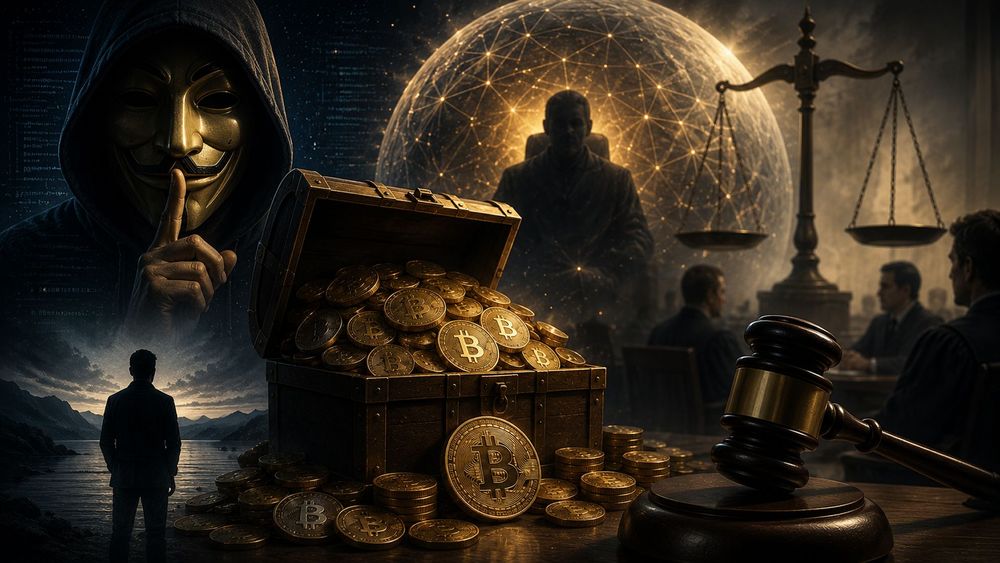
Ұзақ уақыт бойы белсенді емес, Сатоши дәуіріндегі Bitcoin әмияндарына қатысты дау күтпеген бағытқа бұрылды. Жүздеген мың биткоинді, оның ішінде Сатоши Накамотоның өзіне қатысты монеталарды, "жоғалған" деп тануға тырысқан, шамамен $293 миллиард тұратын сот ісі кенеттен күрделене түсті. Талапкерлер тасталған деп жариялаған кейбір әмияндар кенеттен жанданып және қаражатты жылжыта бастады. Сатоши кім екенін, сотта нақты не үшін таласып жатқанын және іс неліктен тығырыққа тірелгенін анықтайық.
Даудың мәні неде?
Нью-Йорк округінің Жоғарғы сотына ABC Company және XYZ Company компаниялары, сондай-ақ Ноа Доу лақап атымен белгісіз талапкер сотқа шағым түсірді. Олар соттан өздерін 39 000-нан астам ескі Bitcoin мекенжайларының иелері деп тануды сұрайды, олардың айтуынша, бұл мекенжайлар "табылып", полицияға тапсырылған және хабарландыру науқанынан кейін талап етілмеген болып қалған.
Бәс тігу өте үлкен: бұл адрестерде миллиондаған BTC бар, оның ішінде желінің алғашқы жылдарындағы монеталар және зерттеушілер Сатошимен байланыстыратын әмияндар бар. Негізінде, бұл криптовалюталар тарихындағы ең үлкен меншік дауы. Талапкерлердің негізгі дәлелі қарапайым: егер адрес жылдар бойы үнсіз болып, ешқандай транзакция жасамаса, монеталар тасталған болып есептеледі. Бұл қисынды естіледі, бірақ дәл осы тұжырым осал болып шықты. Блокчейн әмиянның жылдар бойы ешқандай белгі бермей, содан кейін бір транзакциямен кенеттен жандануына мүмкіндік беретіндей етіп құрылған. Шынымен жоғалған монеталарды иесі оларға тиісуге асықпайтын монеталардан тек үнсіздікке сүйеніп ажырату іс жүзінде мүмкін емес.
Сатоши Накамото кім
Құмарлықтың қарқындылығын түсіну үшін Сатошидің кім екенін еске түсірген жөн. Сатоши Накамото - Bitcoin-ді жасаған және оның 2008 жылы ақ қағазын жариялаған адамның немесе адамдар тобының лақап аты. Сатошидің нақты жеке басы әлі белгісіз, ал оған тиесілі деп есептелетін әмияндар он бес жылдан астам уақыт бойы қозғалмаған.
Дәл сол себепті Сатошидің монеталарын мистикалық аура қоршап тұр. Сатоши ешқашан тиіспеген миллионға жуық BTC-ді ұстайды деп есептеледі. Сатоши үнсіз болған кезде, бұл монеталар аңыз да, нарық үшін ықтимал бомба да болып қала береді: егер олар кенеттен қозғала бастаса, Bitcoin бағасы күрт төмендеп, оған деген сенім шайқалуы мүмкін.
Сатоши өлшем бірлігі ретінде не
Бір қызығы, «сатоши» сөзінің екінші мағынасы да бар. Бұл мағынада сатоши - Bitcoin-нің ең кішкентай бірлігі: бір сатоши бір монетаның жүз миллионнан біріне тең, яғни 0.00000001 BTC. Атау желінің сол жұмбақ жасаушысының құрметіне берілген.
Сатошилер ең кішкентай төлемдер үшін қолданылады - центтің бөліктері туралы сөз болғанда. Сондықтан адамдар «бірнеше мың сатоши жібер» дегенде, олар Сатоши Накамотоның аты аңызға айналған резервтерін емес, өте аз соманы айтады. Бұл айырмашылық маңызды: бір сөз аты аңызға айналған тұлғаны да, монетаның ең кішкентай бөлігін де білдіреді.
Күтпеген жағдай: Ұзақ уақыт бойы белсенді емес әмияндар кенеттен оянды
Талапкерлердің басты мәселесі дәл осы жерде. 7 шілдеде олар сот ісінен 44 адресті өз еркімен алып тастады - және сарапшылар анықтағандай, олардың барлығы іс қозғалғаннан кейін монеталарды жылжыта бастады. Galaxy Digital зерттеу бөлімінің басшысы Алекс Торнның айтуынша, іс қозғалған кезде бұл адрестерде 21,443 Bitcoin болған; содан кейін олар арқылы 46,334 Bitcoin өткен, ал шамамен 3,097 қалған. Бағам бойынша есептегенде, бұл қозғалыс шамамен $2.9 миллиардты құрады.
Жойылған мекенжайлардың ішіндегі ең үлкені, John Doe 106 деп белгіленген, іс басталған кезде шамамен 2,100 BTC ұстады және наурыз бен шілде аралығында өзі арқылы 20,000-нан астам коинды өткізді. Мәселе айқын: әмиян транзакцияларға тыныш қол қойса, оны «қараусыз қалған» деп атау қиын. Бұл талапкерлердің логикасын бұзады, өйткені үнсіздік кенеттен иесінің жоғалып кеткенінің дәлелі болуды тоқтатты. Талапкерлер үшін бұл ауыр соққы. Тіпті өзгертілген шағымда олардың өздері жүздеген мекенжайларды тізімнен алып тастау керек екенін мойындады, себебі олар операциялар жүргізіп, осылайша қараусыз қалмағанын дәлелдеді. Қалған 39,000-ға жуық әмиян, талапкерлердің айтуынша, үнсіз қалды - бірақ қазір бұл шекара да сенімсіз болып көрінеді.
John Doe 33 бәсті көтереді
Сонымен қатар, сот ісі тікелей қиындыққа тап болды. John Doe 33 деген атпен белгісіз тарап, өзін тірі адам ретінде көрсете отырып, сотқа қарсылық білдірді. Оның айтуынша, іс қозғалған кезде оның портфелі 80 миллиард доллардан асты.
Оның дәлелдері істі бірнеше жағынан соққыға ұшыратады. Біріншіден, жалпыға ортақ Bitcoin мекенжайлары заңды тұлғалар емес, және оларды сотқа беруге болмайды. Екіншіден, талапкерлердің блокчейн деректері бар USB дискілерді полицияға тапсыруы олардың әмияндарды «тапқанын» немесе BTC-ге қол жеткізгенін білдірмейді. Үшіншіден, OP_RETURN хабарламалары арқылы хабарландыру нақты иелерін хабардар ете алмады: мекенжайлар жалпыға ортақ, бірақ кілттер емес, және көптеген әмияндар мұндай хабарламаларды тіпті көрсетпейді.
Сарапшылар не дейді
Үшінші тарап заңгерлері де сот процесін мұқият бақылап отыр. Заңгер Иан Коэн мамыр айында amicus curiae қорытындысын беріп, соттан Нью-Йорктің «жоғалған мүлік» тұжырымдамасы жалпыға ортақ мекенжайларға қатысты ма және әрекетсіздік меншіктен бас тарту ниетінің дәлелі бола ала ма, соны нақтылауды сұрады.
Digital Chamber қауымдастығы одан әрі барып, егер сот талапкерлердің логикасын қабылдаса, активтердің барлық өзін-өзі сақтауы қауіп астында қалады деп ескертті. Адамдар өздерінің монеталарына әлі де иелік ететінін дәлелдеу үшін транзакциялар жасауға мәжбүр болады. Сонымен қатар, талапкерлер ешқашан әмияндарды бақыламаған және жеке кілттерсіз BTC-ді басқара алмайды - бұл сот шешімінің тек символдық болып шығу қаупі бар екенін білдіреді.
Бұл крипто ұстаушылар үшін неге маңызды
Іс Сатоши монеталарынан әлдеқашан асып кетті. Негізінде, сот цифрлық мүліктің қалай жұмыс істейтінін шешеді: меншік криптографиялық қолтаңбамен дәлелдене ме, әлде кәдімгі зат сияқты «физикалық» иелік қажет пе? Егер ұзақ үнсіздік құқықтардан бас тарту ретінде танылса, белгісіздік тек Сатоши мұрасына ғана емес, басқа токенизацияланған активтерге де таралады.
Қарапайым ұстаушы үшін қорытынды жағымсыз: тіпті жылдар бойы қол тигізбеген суық әмиян да теориялық тұрғыдан «қараусыз қалған» деп жариялануы мүмкін. Bitcoin бағасы 2025 жылдың қазанында орнатылған рекордтың жартысына жуығы - $64,000 айналасында болса да, ұйқыдағы Satoshi коиндарының заңды тағдыры толығымен ашық күйінде қалып отыр. Сондай-ақ, Satoshi мұрасы туралы бұл дау Bitcoin айналасындағы жалпы алаңдаушылық аясында өрбіп жатқаны да айтарлықтай. Инвесторлар қазірдің өзінде сақ, ал біреудің ұмытылған коиндары иесіз деп танылып, айналымға қайтарылуы мүмкін деген перспектива нарыққа белгісіздік пен ескі биткоиндарға кім шынымен иелік ететіні туралы қосымша сұрақтар туғызады.
Түпкі нәтиже
Satoshi мұрасы туралы дау крипто заңының барлығы үшін стресс-тестке айналды. Бір жағында «жоғалған» миллиардтарды айналымға қайтару әрекеті тұрса, екінші жағында криптоның негізгі принципін бұзу қаупі тұр: кілттерді ұстаған адам коиндарға иелік етеді. Ескі әмияндардың қайта жандануы үнсіздікті қараусыз қалумен теңестіруге болады деген күмәнді тереңдете түсті. Бұл $293 миллиардтық күрес қалай аяқталатынын Нью-Йорк соты шешеді, бірақ оның нәтижесі жұмбақ Satoshi мен оның қол тигізбеген коиндарына ғана емес, жеке кілтімен өз әмиянында крипто активтерін сақтайтын барлық адамдарға әсер етеді.
Satoshi-дің $293 миллиардтық сот ісі не туралы?
Нью-Йорк округі Жоғарғы сотындағы сот ісі соттан жүздеген мың ұйқыдағы, Сатоши дәуіріндегі BTC-ді - шамамен 293 миллиард доллар тұратын - «жоғалған» деп тануды және талапкерлерді олардың иелері ретінде мойындауды сұрайды. Ол тоқтап қалды, себебі тасталды деп есептелген көптеген әмияндар кенеттен монеталарды жылжыта бастады.
Сатоши Накамото кім?
Сатоши Накамото - Bitcoin-ді жасаған және оның ақ қағазын 2008 жылы жариялаған адамның немесе топтың лақап аты. Олардың нақты жеке басы әлі белгісіз, және Сатошидікі деп есептелетін әмияндар - шамамен миллион BTC ұстайды деп болжанған - он бес жылдан астам уақыт бойы қозғалған жоқ.
Өлшем бірлігі ретінде сатоши деген не?
Сатоши - Bitcoin-нің ең кішкентай бірлігі: бір сатоши бір монетаның жүз миллионнан біріне, немесе 0.00000001 BTC-ге тең. Ол Bitcoin-ді жасаушының атымен аталған және кішкентай төлемдер үшін қолданылады, сондықтан «бірнеше мың сатоши» дегеніміз Сатоши Накамотоның аты аңызға айналған резервтері емес, кішкентай соманы білдіреді.
Талапкерлердің ісі неге қиындыққа тап болды?
Олардың негізгі дәлелі үнсіздік монеталардың тасталғанын дәлелдейді деген болды. Бірақ 7 шілдеде олар іс қозғалғаннан кейін қаражатты жылжыта бастаған 44 мекенжайды алып тастауға мәжбүр болды - олардың бірі, Джон Доу 106, 20 000-нан астам BTC-ді өзі арқылы өткізді. Транзакцияларға тыныш қол қоятын әмиянды тасталған деп атау қиын.
Бұл іс қарапайым крипто ұстаушылар үшін неге маңызды?
Сот іс жүзінде меншік құқығы криптографиялық қолтаңбамен немесе «физикалық» иелік етумен дәлелденетінін шешеді. Егер ұзақ үнсіздік құқықтардан бас тарту болып саналса, тіпті жылдар бойы қол тимеген суық әмиян да тасталды деп жариялануы мүмкін, бұл кез келген криптоның өзін-өзі сақтау қаупін тудырады.
EIDEX криптонарық сарапшысы әрі контент және маркетинг бөлімінің басшысы. Нарық құрылымы, биржа инфрақұрылымы және кросс-чейн сауда туралы жазады - ончейн деректер мен нарық өзгерістерін трейдерлерге арналған нақты әрі пайдалы талдауға айналдырады.