Биржедегі шот бұғаттауы сіздің кінәңіз болмағанда
Биржедегі шот бұғаттауы әдетте сіз бірдеңе істедіңіз дегенді меңзейді. Бұл жолы олай емес. Kraken санкция астындағы HTX биржасына байланысты мекенжайлардан 12 000-ға жуық шағын аударым алған клиенттерді құлыптады - центпен және бірлік доллармен өлшенетін, ешкім сұрамаған және ешкім бас тарта алмайтын сомалар.
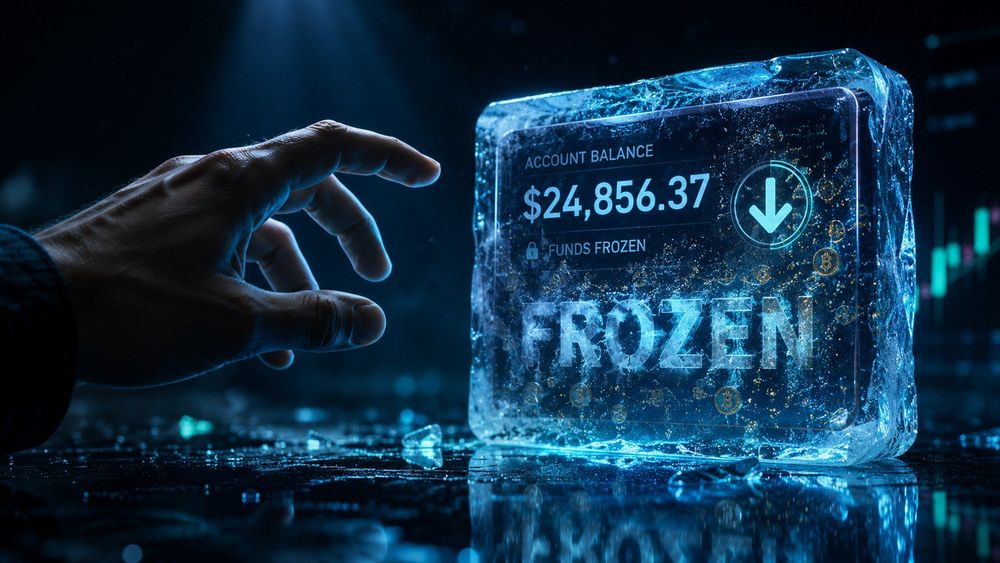
Қолжетімділік ақыры қалпына келтірілді. Қаражат - жоқ: биржа кіріс сомаларды тәркілеп, ұстап отыр. Қанша клиент зардап шекті, тексерулер қанша уақытқа созылды және жалпы сома қандай болды - Kraken айтқан жоқ.
Кіріс аударымнан бас тарта алмайсыз
Қалғанының бәрі осыдан туындайтын құрылымдық факт осы. Блокчейн транзакциясы иесінің келісімінсіз жария мекенжайға жіберіледі, ал қабылдамау механизмі жоқ.
Бұл адамдар банк саласынан алып келетін жауапкершілік логикасын төңкереді. Банк аударымын жіберушіге қайтаруға, дауланған төлемді кері қайтаруға болады. Мұнда сіз салым туралы фактіден кейін білесіз және тарихын өзіңіз таңдамаған активті ұстап отырасыз.
Дәл осы асимметрияны бұл әдіс пайдаланады. Шағын сомалар мыңдаған мекенжайға шашылады: санкциялық алаңның қаражатын байланыссыз әмияндар арасына тарату және бәрінде бірден сәйкестік тексерулерін іске қосу үшін.
Не белгілі
Kraken аударымдарды кім бастағанын анықтай алмайтынын мойындады. Arkham Intelligence талдаушылары маңызды ескертпе қосты: әмиянды HTX-пен байланыстыратын мекенжай белгісі алаң сол әмиянды бақылағанын немесе бірдеңе жібергенін дәлелдемейді.
HTX қатысын мүлде теріске шығарады. Оның өкілі компания үш ықтималдықты өз бетінше тексеріп жатқанын айтты: қате белгіленген мекенжайлар, ұрланған мекенжайлар немесе үшінші тараптардың зиянды әрекеті.
Бұл үлгі бір алаңға ғана тән емес. Coinbase клиенті осыған ұқсас сұралмаған USDT салымын алып, шектеу қаупімен қаражат көзін құжаттауды талап етті.
Алаңдар неге осылай әрекет етеді
Сәйкестік міндеттемелері кіріс ағындарды санкциялық тізімдермен салыстырып бақылауды талап етеді. Автоматтандыру транзакцияны жіберуші мекенжайы бойынша белгілейді, ереже іске қосылады, адам тексеруі басталады.
Сүзгінің дөрекілігі - әдейі жасалған нәрсе. Ол шашудың құрбанын схема қатысушысынан ажырата алмайды, өйткені тізбекте екеуі бірдей көрінеді: қаражат сіздің мекенжайыңызға белгіленген әмияннан келді.
Санкциялық тәуекел бәрін өткірлейді. Мұнда қателескен алаң лицензиясы мен елеулі айыппұлдарды тәуекелге тігеді, сондықтан күмәнді жағдайда ол алдымен ақшаны тоқтатып, сұрақты кейін қояды.
Осыдан парадокс: биржедегі шот бұғаттауының түрткісі - сіздің емес, біреудің әрекеті. Сіз ешқандай контрагент таңдаған жоқсыз, бірақ қағаз толтыратын сізсіз.
Биржедегі шот бұғаттауының үш түрі
Оларды ажырату маңызды, өйткені шығу жолы әртүрлі.
Біріншісі - тексеру кезіндегі уақытша ұстау. Шот көрінеді, баланс шығады, шығару өшірілген. Бұл ең жиі кездесетін жағдай және әдетте шешіледі.
Екіншісі - ішінара бұғаттау. Сауда жұмыс істейді, бірақ нақты сома белгіленіп, ұсталады - мұнда болғаны дәл осы. Салдарына назар аударыңыз: шотқа қолжетімділікті қалпына келтіру қаражатты қайтаруды міндеттемейді.
Үшіншісі - құжат сұраумен жабу. Егер қолжетімділік қалпына келмей, оның орнына сізге қажетті құжаттар тізімі келсе, әңгіме енді бір транзакция туралы емес. Ол сіздің клиент болып қалатыныңыз туралы.
Бұдан қалай шығу керек
Биржедегі шот бұғаттауынан аман шығуға болады, бірақ қадам реті маңызды. Балансты басқа арна арқылы шығаруға асықпаңыз. Тексеру кезінде шұғыл шығаруға талпыну сәйкестік бөліміне дәл сіз күткендей оқылады және процесті ұзартады.
Бір өтініш ашып, жағдайды дәл сипаттаңыз: салымның күні мен уақыты, сома, транзакция хеші және оқиға туралы өз баяндамаңыз. Дәлдік циклді көлемнен гөрі көбірек қысқартады.
Құжаттарды сұралмай тұрып жинаңыз. Әдеттегі сұраныстар: банк үзінділері, сатып алу растаулары, басқа алаңдағы тапсырыс тарихы және әмиян транзакцияларының тарихы. Толық топтама әйтпесе әрқайсысы бір апта қосатын қосымша сұрақтарға алдын ала жауап береді.
Барлығына бір жауаппен жауап беріңіз. Жауаптарды бірнеше өтінішке бөлу әрқайсысын кезектің соңына жібереді.
Мерзімдерді қадағалап, жаңасын ашудың орнына бар өтініштің ішінде эскалация жасаңыз. Тексерулер әдетте бірнеше күннен екі аптаға дейін созылады; одан кейінгі үнсіздік сыпайы эскалацияны ақтайды.
Егер жауап ішкі саясатқа сілтеме жасаған, нақтылықсыз бас тарту болса, бұл соңы емес. Бұл толығырақ құжаттармен және айқын хронологиямен екінші әрекет керек екенін білдіреді: ақша қайдан, қашан және не үшін.
Хат алмасу мүлде тоқтағанда үш тетік қалады: алаңды лицензиялаған реттеушіге шағым, сол юрисдикциядағы қаржы омбудсмені және жария эскалация. Соңғысы алаңдар мойындағысы келгеннен жиірек жұмыс істейді. Сотқа жүгіну баланс әдетте бірнеше мың доллардан асатын шығынды ақтағанда ғана мәнді.
Тәуекелді алдын ала азайту
Мекенжайларды бөліңіз. Контрагенттерге жариялайтын мекенжайыңыз биржа шотын толтыратын мекенжай болмауы керек.
Соқыр біріктірмеңіз. Егер мекенжайыңызға шаң түссе, оны негізгі балансыңыздан бөлек ұстаңыз және екеуін бір транзакцияда ешқашан сыпырмаңыз, әйтпесе бүкіл сома сол тарихты мұра етеді.
Салым салмас бұрын мекенжайларды тексеріңіз. Тәуекел бағалау қызметтері бірнеше долларға санкциялық ұйымдармен және даркнет базарларымен байланысты белгілейді, бұл сәйкестікпен бір апта хат алмасудан арзан.
Құжаттарды қысым астында жинаудың орнына тұрақты сақтаңыз. Алаңдар транзакция тарихын жылдар бойы сақтап, кез келген жаңа тексеруде шығарады, сондықтан екі жыл бұрынғы аударым кешегідей оңай қалқып шығады.
Верификацияны толық және ерте өтіңіз. Рәсімделуі аяқталмаған шоттар тезірек шектеледі және баяу босатылады.
Және жинақ пен тәжірибені әртүрлі жерде ұстаңыз. Айналым капиталының орны - алаң, ұзақ мерзімді қордың орны - өзіңіз бақылайтын әмиян, онда біреудің шашуы сіздің операцияларыңызды тоқтата алмайды.
Бұл нарық туралы не айтады
Оқиға техникалық шындық пен реттеушілік логика арасындағы алшақтықты ашады. Хаттама кез келген адамға сізге кез келген нәрсені жіберуге мүмкіндік береді; сәйкестік болса келгені үшін жауап беруіңізді күтеді.
Бұл алшақтық жабылғанша, бұл тәуекел орталықтандырылған қызметтерді пайдаланатын әркімге қатысты. Алаңдардың ұстанымы қорғауға келеді: оларда әдейі қатысуды шашуға кездейсоқ ілігуден ажырататын құрал жоқ, бірақ бұл шектеудің құны клиенттерге түседі.
Практикалық қорытынды сәнді емес. Биржедегі қаражат - біреудің бақылауындағы қаражат, сіз белгілемеген ережелермен жұмыс істейді. Қолжетімділік сіздің ешқандай қатеңізсіз шектелуі мүмкін деп жорамалдап, сол күнге құжаттарыңызды да, қосалқы жолды да дайын ұстаңыз.
Кіріс аударымнан бас тартып, шот бұғатталуын болдырмауға бола ма?
Жоқ. Транзакциялар алушының келісімінсіз жария мекенжайға итеріледі, ешбір әмиян да, хаттама да қабылдамау тәсілін бермейді. Шаң шашудың құрбандары ақыры ақталып жүретіні дәл сондықтан.
Биржа шотымды босатқаннан кейін неге қаражатты ұстайды?
Себебі шот пен нақты салым бөлек қаралады. Қолжетімділікті қалпына келтіру сізге қатысты тексеруді шешеді; белгіленген сома өз шешімін күтіп ұсталып қала береді, бұл жағдайда солай болды.
Биржедегі шот бұғаттауы әдетте қанша уақытқа созылады?
Стандартты жағдайда бірнеше күннен екі аптаға дейін, негізінен құжаттарыңыздың толықтығына байланысты. Санкцияға қатысты тексерулер ұзағырақ, өйткені алаңның өз лицензиясы қатысады.
Шаң алу мені заңды жауапкершілікке тарта ма?
Сұралмаған қаражат алу көптеген юрисдикцияда өзі қылмыс емес. Практикалық мәселе жауапкершілікте емес, дәлелде: салымның сұралмағанын көрсетуіңіз керек, ал алаңдар әдепкіде сақтықты таңдайды.
Әдетте қандай құжаттар сұралады?
Банк үзінділері, сатып алу растаулары, басқа алаңдардың тапсырыс тарихы, әмиян транзакцияларының тарихы, кейде салық есептері. Ортақ желі - ақшаның қайдан шыққанын және сізге қалай жеткенін көрсету.
Қаражатты қайтару үшін сотқа беруге бола ма?
Мүмкін, бірақ экономикасы сирек шығады. Заң шығындары әдетте бірнеше мың доллардан асады, сондықтан сот тек елеулі баланста ғана нақты - тексеруді тудырған бірнеше цент тұратын салым үшін емес.
EIDEX криптонарық сарапшысы әрі контент және маркетинг бөлімінің басшысы. Нарық құрылымы, биржа инфрақұрылымы және кросс-чейн сауда туралы жазады - ончейн деректер мен нарық өзгерістерін трейдерлерге арналған нақты әрі пайдалы талдауға айналдырады.