Meme tangalar tushuntirildi: Internet hazili qanday qilib kriptovalyutaga aylandi
Oddiy hazil sifatida boshlangan narsaga pul tikarmidingiz? Aynan shunday qilib millionlab odamlar milliardlab dollarlarni meme tangalarga - internet hazillaridan haqiqiy bozor kuchiga aylangan kripto bozorining oʻziga xos burchagiga kiritdilar. Keling, bu tokenlar nima ekanligini, ular qayerdan kelib chiqqanini, nima uchun ularning narxi bunchalik keskin oʻzgarishini va ularni umuman jiddiy qabul qilishga arziydimi-yoʻqmi, bilib olaylik.
Meme tangalar nima
Oddiy qilib aytganda, bular internet madaniyati, hazillar va virusli tendensiyalardan ilhomlangan kriptovalyutalardir. Jiddiy moliyaviy va texnik muammolarni hal qilish uchun yaratilgan Bitcoin yoki Ethereumdan farqli oʻlaroq, bunday tangalar odatda deyarli hech qanday haqiqiy foyda keltirmay ishga tushiriladi. Ularning maqsadi pulni qayta ixtiro qilish emas, balki virusli boʻlish va eʼtiborni jalb qilishdir.
Aslida, bu qiymati texnologiyaga emas, balki olomonning kayfiyatiga bogʻliq boʻlgan hazil tokenidir. Jamiyat tangaga ishonsa va uni faol muhokama qilsa, narx koʻtariladi; shov-shuv pasaygan zahoti narx ham tezda tushadi. Aynan shuning uchun meme, format sifatida, bunday aktivlar uchun mukammal yoqilgʻi boʻlib chiqdi: yorqin tasvir yoki ibora butun internet boʻylab tez tarqaladi va yangi xaridorlarni jalb qiladi. Ularning aksariyati ortida murakkab texnologiya yoʻq - faqat gʻoya, jamiyat va keyingi oʻsishga ishonch bor.
Bunday tangalar qanday paydo boʻldi: Dogecoin hikoyasi
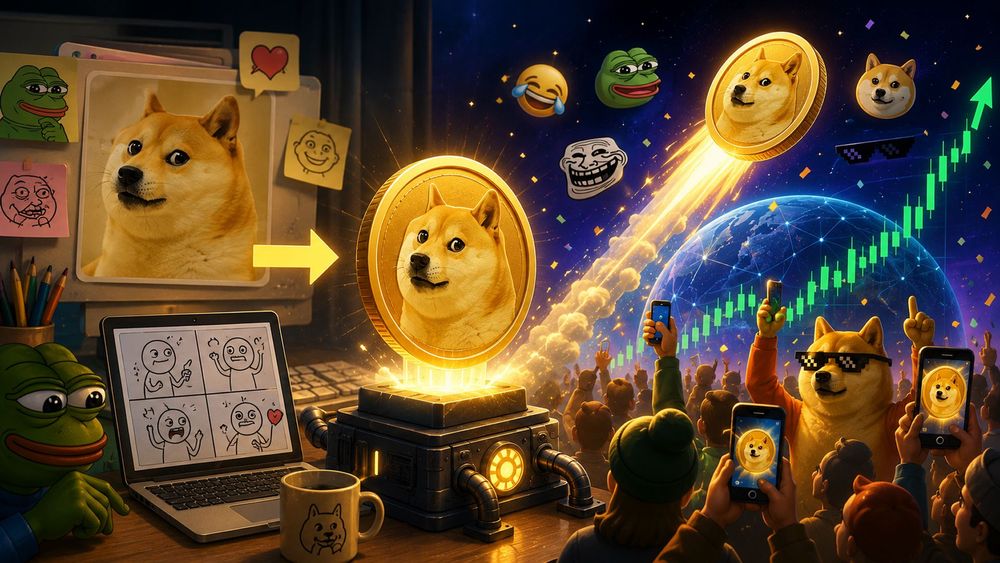
Hikoya 2013-yilda Dogecoin bilan boshlangan. Bu tanga kripto bumining parodiyasi sifatida yaratilgan va uning ramzi mashhur memdagi Shiba Inu iti boʻlgan. Satira sifatida oʻylangan narsa ancha kattaroq narsaga aylandi: oʻzining eng yuqori choʻqqisida Dogecoinning bozor kapitallashuvi 90 milliard dollarga yetdi - asosan internet toʻlqini va Elon Muskning shovqinli tvitlari tufayli. Nufuzli shaxsning bitta posti tanga narxini bir necha daqiqada oʻnlab foizga oshirishi mumkin edi.
Dogecoinning muvaffaqiyati taqlidchilar toʻlqinini keltirib chiqardi. 2020-yilda "Dogecoin qotili" laqabli Shiba Inu paydo boʻldi - bu tanga qisqa vaqt ichida bozor kapitallashuvi boʻyicha eng yaxshi 10 ta kriptovalyuta qatoriga kirdi. Shundan soʻng eshiklar butunlay ochildi va bozorga yangi loyihalar kirib keldi:Pepe, Floki, Dogelon Mars va boshqa oʻnlab loyihalar. Bugungi kunda mashhur mem tangalari yuzlab hisoblanadi, deyarli har kuni yangilari paydo boʻladi va ularning umumiy narxi milliardlab dollarda oʻlchanadi. Har bir bunday tanga Dogecoin yoʻlini takrorlashga umid qiladi, ammo faqat bir nechtasi bunga erishadi. Dogecoin fenomeni asosiy narsani koʻrsatdi: memlar dunyosida aktivning qiymati fundamental omillar bilan emas, balki eʼtibor bilan belgilanadi. Bitta virusli tasvir yoki oʻz vaqtida qilingan hazil bir kun ichida loyiha atrofida katta auditoriyani toʻplashi mumkin - va u bilan birga pul oqimi ham. Keyinchalik, bu mexanizm Pepe, Floki va oʻnlab kamroq tanilgan loyihalar tomonidan bir necha bor takrorlandi, ularning har biri oʻz shov-shuv toʻlqinini tutishga harakat qildi. Ammo buning teskari tomoni ham bor: umumiy eʼtibor yangi yulduzga oʻtgandan soʻng, kechagi sevimli tezda qiymatini yoʻqotadi va uning egalari hech narsasiz qoladi.
Tangalik tangalar ikki turi: foydasiz va haqiqiy foydali
Barcha ushbu loyihalar taxminan ikki guruhga boʻlinadi va ular orasidagi farq xatarlarni tushunish uchun muhimdir.
Birinchi guruh - foydali qiymati boʻlmagan tangalar. Ular faqat shov-shuv va spekulyatsiya asosida yashaydi. Klassik misollar Dogecoin va Shiba Inu: ularning ortida katta mahsulot yoʻq, lekin deyarli kultga oʻxshash jamoa mavjud. Bunday tanga narxi butunlay bozor kayfiyatiga bogʻliq va olomon qiziqishni yoʻqotgan zahoti qulashi mumkin.
Ikkinchi guruh - haqiqiy foydali tangalar boʻlib, ular meme sifatida boshlangan, ammo toʻlaqonli loyihalarga aylangan. Yorqin misol Floki: jamoa Valhalla metaolam oʻyinini, Floki University taʼlim portalini va NFT hamda DeFi uchun vositalarni ishlab chiqmoqda. Bunday tangalar asl hazilni haqiqiy texnologiya va xizmatlar bilan qoʻllab-quvvatlashga harakat qiladi, shunda ularning narxi nafaqat hissiyotlarga, balki haqiqiy talabga ham asoslanadi. Bu yerda memdan kattaroq narsa oʻsib chiqadi - barqaror loyiha qurishga urinish. Ushbu farqni tushunish xatarlarni xolisona baholash uchun kalit hisoblanadi. Foydasiz tanga portlovchi, ammo qisqa muddatli daromad keltirishi mumkin, haqiqiy mahsulotga ega loyiha esa uzoq muddatga saqlanib qolish imkoniyatiga ega. Shuni taʼkidlash kerakki, guruhlar orasidagi chegara xira: bugun token faqat shov-shuvda yashaydi, ertaga esa jamoa unga foydali xizmatlarni qoʻshadi - va aksincha, istiqbolli loyiha vaʼda qilingan narsani hech qachon yetkazib bermasligi mumkin. Shuning uchun tajribali bozor ishtirokchilari baland shiorlarga emas, balki token ortidagi haqiqiy ishga qaraydilar.
Nima uchun bu tangalar umuman kerak
Bu arzimas tuyuladi, ammo bunday tokenlar sanoat rivojida sezilarli rol oʻynaydi. Birinchidan, ular yangi kelganlar uchun kirish nuqtasi boʻlib xizmat qiladi. Gemini birjasining maʼlumotlariga koʻra, koʻpchilik bunday tangalarni Bitcoin yoki Ethereum'dan oldin sotib oladi: AQShda hammasiga egalik qiluvchi foydalanuvchilarning 31% aynan ular bilan boshlagan. Va global miqyosda, meme tanga egalarining 94% boshqa kripto aktivlariga ham egalik qiladi - yaʼni hazil aktivi koʻpincha jiddiy investitsiyalar dunyosiga kirish eshigi boʻlib xizmat qiladi.
Ikkinchidan, bu loyihalar hamjamiyatning kuchini yaqqol namoyish etadi. Ularga venchur fondlari yoki Wall Street kerak emas - ular ijtimoiy tarmoqlardagi munozaralar, Reddit'dagi rasmlar va guruh chatlari orqali yashaydi. Bu kuchli va baʼzan xavfli kuch boʻlib, narxni bir oʻzi harakatga keltira oladi. Uchinchidan, bunday loyihalar kriptoning chegaralarini kengaytiradi: ular xaotik, markazlashmagan va madaniyatga bogʻliq boʻlib, raqamli aktivlar qatʼiy moliyaviy vositalardan tashqari yana nima boʻlishi mumkinligini koʻrsatadi. Aslida, har bir muvaffaqiyatli meme bozorning chidamliligini sinovdan oʻtkazadi va pulga nima arziyishi mumkinligi haqidagi gʻoyalarni kengaytiradi. Yana bir muhim taʼsir bor: memlar kriptoni oddiy odamlar uchun yaqinroq va tushunarliroq qiladi. Murakkab texnologiyalar va tushunarsiz atamalar yangi boshlovchini qoʻrqitadi, ammo tanish internet memi emas. Kulgi va biroz hayajon orqali odam birinchi marta hamyon ochadi, oʻzining birinchi savdosini amalga oshiradi, va asta-sekin bu bozor qanday ishlashini tushunishni boshlaydi. Hatto birinchi tanga shunchaki koʻngilxushlik uchun sotib olingan boʻlsa ham, koʻpchilik keyinroq jiddiyroq aktivlarga va ongli investitsiyalarga oʻtadi.
Istiqbolli loyihani yomonidan qanday ajratish mumkin
Xavf juda yuqori boʻlganligi sababli, bunday aktivni sotib olishdan oldin nimaga eʼtibor berishni bilish foydalidir. Birinchidan, hamjamiyatning faolligi va hajmi: jonli loyihada minglab faol izdoshlar, muntazam muhokamalar va sunʼiy emas, balki tabiiy qiziqish mavjud boʻladi. Ikkinchidan, likvidlik va savdo hajmlari. Agar deyarli hech kim tangani sotib olmasa yoki sotmasa, loyiha qogʻozda qanchalik jozibali koʻrinmasin, jiddiy yoʻqotishlarsiz pozitsiyadan chiqish juda qiyin boʻladi.
Uchinchidan, jamoaning shaffofligi va hech boʻlmaganda qandaydir yoʻl xaritasining mavjudligi. Oy va bir zumda boylik vaʼda qiluvchi anonim ijodkorlar eʼtiborsiz qoldirib boʻlmaydigan qizil bayroqdir. Nihoyat, bozor kapitallashuvini xolisona baholashga arziydi: agar qiymat allaqachon yuzlab marta oshgan boʻlsa, eng yuqori choʻqqida sotib olish va qadrsizlangan aktiv bilan qolish imkoniyati keskin oshadi. Bu belgilarning hech biri muvaffaqiyatni kafolatlamaydi, ammo ular birgalikda aniq muvaffaqiyatsiz loyihalarni yoʻq qilishga, firibgarlarga duch kelish xavfini kamaytirishga va sof hayajondan koʻra biroz ongliroq xaridga yondashishga yordam beradi.
Qorongʻu tomon: xavflar va firibgarlik
Ammo hamma narsa bir qarashda koʻringanidek qiziqarli emas. Bunday aktivlar yuqori xavf va haddan tashqari oʻzgaruvchanlikni anglatadi. Bir tanga narxi bir kunda oʻn barobar oshishi va ertalabgacha xuddi shunday tez qulashi mumkin. Bunday loyihalarning aksariyati qadrsiz boʻlib qoladi va baʼzilari hatto toʻliq ishga tushirilmaydi ham.
Firibgarlik alohida ofatdir. Rug pull kabi sxemalar, yaʼni ijodkorlar toʻsatdan loyihani tashlab, investorlarning pullari bilan gʻoyib boʻlishlari bu yerda doimiy ravishda sodir boʻladi. Tangani hissiyotlar choʻqqisida sotib olish oson, ammo sarmoya qilingan mablagʻlarni qaytarib olish deyarli imkonsiz. Chiroyli hikoya ortida koʻpincha oddiy tuzoq yashirinadi, shuning uchun bunday aktivlarga faqat ochiq koʻzlar va xotirjam bosh bilan kirish kerak. Hayajonni sarmoya kiritish bilan adashtirmang: yuqori narx koʻpincha shunchaki yorilishga tayyor pufakdir. Hissiy tuzoq alohida eʼtiborga loyiq. Kimningdir garovi yuz barobar oʻsganini kuzatib, ochkoʻzlikka berilib, oxirgi pulingizni eng yuqori nuqtaga qoʻyish oson. Aynan shunga shubhali sxemalar tashkilotchilari umid qilishadi: ular kursni sunʼiy ravishda oshiradilar, ishtiyoqli vaʼdalar bilan olomonni jalb qiladilar, soʻngra oʻz aktivlarini sotib, jim gʻoyib boʻladilar. Aktivni oxirgi boʻlib sotib olgan yangi kelgan kishiga endi hech kimga kerak boʻlmagan tanga qoladi. Shuning uchun bu yerda har qanday baland bashoratdan koʻra xotirjam bosh va oldindan belgilangan yoʻqotish chegaralari muhimroqdir.
Meme Coinlarga sarmoya kiritish kerakmi?
Aniq javob yoʻq. Bir tomondan, bunday aktivlarga pul qoʻyishga qaror qilish lotereyaga oʻxshaydi: siz koʻp martalik daromad olishingiz yoki oxirgi sentigacha hamma narsani yoʻqotishingiz mumkin. Boshqa tomondan, portfeldagi bunday aktivlarning kichik ulushi jiddiy kapitalni xavf ostiga qoʻymasdan yorqin madaniy hodisada ishtirok etishning bir usuli boʻlishi mumkin.
Asosiy qoida oddiy: faqatgina uyqungizni yoʻqotmasdan yoʻqotishingiz mumkin boʻlgan pulni investitsiya qiling. Hech qachon allaqachon pasayib borayotgan narx ortidan quvmang va oson, tez foyda vaʼdalariga ishonmang. Hatto bitta birlik sotib olishdan oldin tangani, uning hamjamiyatini va tarixini oʻrganing. Esda tutingki, sizning oldingizda birinchi navbatda yuqori xavfli koʻngilochar narsa turibdi, jamgʻarmalarni saqlashning ishonchli usuli emas.
Xoʻsh, meme tangalar nima - hazilmi yoki jiddiy hodisami? Ehtimol, ikkalasi ham bir vaqtning oʻzida. Bu tangalar internet hazillaridan kelib chiqqan boʻlsa-da, ular butun avlodning pul, kripto va bozorlar haqidagi fikrlarini oʻzgartirishga muvaffaq boʻlishdi. Ular kripto bozorining eng oldindan aytib boʻlmaydigan qismi boʻlib qolmoqda, bu yerda tanga narxi bitta tvit yoki omadli rasmga bogʻliq boʻlishi mumkin. Ularga hazil bilan munosabatda boʻling, lekin oʻz hamyoningizni qattiq nazorat ostida tuting - va ularga hech qanday afsuslanmasdan yoʻqotishga tayyor boʻlganingizdan koʻproq pul qoʻymang.
Meme tanga nima?
Meme tanga - bu internet madaniyati, hazillar va virusli tendensiyalardan ilhomlangan kriptovalyuta. Bitcoin yoki Ethereumdan farqli oʻlaroq, koʻpchilik deyarli hech qanday haqiqiy foydaliliksiz ishga tushiriladi - ularning qiymati texnologiyaga emas, balki olomon kayfiyatiga va hamjamiyat eʼtiboriga bogʻliq.
Birinchi meme tanga nima edi?
Dogecoin, 2013-yilda kripto bumining parodiyasi sifatida ishga tushirilgan, uning ramzi Shiba Inu it memi edi. Eng yuqori choʻqqisida uning bozor kapitallashuvi taxminan 90 milliard dollarga yetdi, bu asosan internet shov-shuvi va Elon Muskning tvitlari tufayli edi. Uning muvaffaqiyati Shiba Inu, Pepe, Floki va yuzlab boshqa tangalarning paydo boʻlishiga sabab boʻldi.
Foydalilikka ega va foydaliliksiz meme tangalar oʻrtasidagi farq nima?
Dogecoin yoki Shiba Inu kabi foydali boʻlmagan tangalar faqat shov-shuvga asoslanadi va olomon qiziqishni yoʻqotgan zahoti qulashi mumkin. Haqiqiy foydali tangalar mem sifatida boshlangan, ammo toʻliq loyihalarga aylangan - masalan, oʻyin, taʼlim portali, NFT va DeFi vositalarini yaratayotgan Floki. Ikki oʻrtasidagi chegara koʻpincha xiralashgan boʻladi.
Istiqbolli mem loyihasini yomonidan qanday ajratish mumkin?
Jamoaning hajmi va haqiqiy faolligiga, haqiqiy likvidlik va savdo hajmlariga, jamoaning shaffofligiga va yoʻl xaritasining mavjudligiga, shuningdek, bozor kapitallashuviga real qarashga eʼtibor bering. Bir zumda boylik vaʼda qiluvchi anonim ijodkorlar qizil bayroqdir. Hech bir belgi muvaffaqiyatni kafolatlamaydi, ammo ular birgalikda aniq yomon loyihalarni yoʻq qilishga yordam beradi.
Mem tangalar xavfsiz investitsiyami?
Yoʻq. Ular yuqori xavfli, oʻta oʻzgaruvchan koʻngilochar vosita boʻlib, jamgʻarmalarni saqlash usuli emas. Bunday loyihalarning aksariyati qadrsiz boʻlib qoladi va rug pulls - ijodkorlar investorlarning pullari bilan gʻoyib boʻlishi - keng tarqalgan. Asosiy qoida: faqat yoʻqotishga qurbingiz yetadigan pulni investitsiya qiling, avval tangani oʻrganing va hech qachon allaqachon pasayib borayotgan narx ortidan quvmang.
EIDEX kripto bozorlari bo‘yicha eksperti va kontent hamda marketing bo‘limi boshlig‘i. Bozor tuzilmasi, birja infratuzilmasi va cross-chain savdo haqida yozadi - on-chain ma’lumotlar va bozor o‘zgarishlarini treyderlar uchun aniq va amaliy tahlilga aylantiradi.