What is Bitcoin: A Beginner's Guide
Key Takeaways
- Fixed supply: only 21 million BTC will ever exist - no one can create additional coins.
- Borderless: send Bitcoin across any country around the clock.
- Open to all: no bank account or ID required to hold BTC.
- Transparent: every transfer is publicly recorded on a shared ledger.
- Final: once confirmed, Bitcoin transfers cannot be reversed or blocked.
Bitcoin emerged as the first digital currency operating independently from banks or governments when it launched in 2009. Created by the anonymous Satoshi Nakamoto, it revolutionized how people send and store value online.
This guide addresses the questions people search for monthly, explaining Bitcoin's mechanics, value sources, and getting-started steps in accessible language.
What Is Bitcoin? A Simple Definition
Bitcoin functions as a decentralized digital currency on a peer-to-peer network with no company or government control. Instead, it operates through open-source code and cryptographic mathematics.
Think of it as internet-native money enabling transfers to anyone, anywhere, anytime without banking approval - hence the term “peer-to-peer electronic cash.”
Bitcoin solved a longstanding challenge: transferring value online without intermediaries. While thousands of digital coins exist today, Bitcoin remains the largest by market value and the most recognized globally.
Key distinguishing features include:
- Fixed supply: only 21 million BTC will ever exist - no one can create additional coins.
- Borderless: send Bitcoin across any country around the clock.
- Open to all: no bank account or ID required to hold BTC.
- Transparent: every transfer is publicly recorded on a shared ledger.
- Final: once confirmed, Bitcoin transfers cannot be reversed or blocked.
How Does Bitcoin Work?
At Bitcoin's core is blockchain technology - essentially a shared digital ledger recording every transaction across thousands of worldwide computers. When someone sends BTC, the transaction broadcasts to this network.
Special computers called miners validate transfers, grouping confirmed ones into “blocks” and adding them to the chain. Each block links to the previous one through a unique code, forming an unbreakable sequence.
No single person or company controls this process. There's no CEO, office, or central server. Network consensus determines transaction validity rather than centralized authority.
A typical Bitcoin transfer takes 10 to 60 minutes for full confirmation - considerably faster than bank wires requiring 3 to 5 business days.
What Is Bitcoin Mining?
Mining powers the Bitcoin network through powerful computers solving complex mathematical problems. The first solver adds the next block to the chain and earns a BTC reward.
This “Proof of Work” system maintains network honesty - preventing double-spending - and introduces new BTC into circulation at a steady rate.
Early Bitcoin mining occurred on regular laptops, but today it requires specialized ASIC hardware and substantial electricity. Most mining now happens in large facilities with cheap power access.
The system adjusts puzzle difficulty every two weeks. More miners mean harder puzzles; fewer miners mean easier ones. This mechanism maintains consistent block creation at approximately one block every 10 minutes.
What Is Bitcoin Halving?
Every 210,000 blocks - roughly every four years - miners' rewards halve. This “halving” event is hardcoded into Bitcoin and cannot be changed by anyone.
Reward progression has followed this pattern:
- 2009: 50 BTC per block.
- 2012 (first halving): dropped to 25 BTC.
- 2016 (second halving): dropped to 12.5 BTC.
- 2020 (third halving): dropped to 6.25 BTC.
- 2024 (fourth halving): dropped to 3.125 BTC.
Fewer new coins entering the market means slower supply growth. Historical data shows Bitcoin's price climbing after each halving, though future results remain uncertain.
The final bitcoin should be mined around 2140. After that, miners will earn only fees from processing transfers.
How Do People Use Bitcoin?
Bitcoin serves multiple real-world purposes today:
Saving and investing. Many hold BTC long-term like digital gold, viewing its fixed supply as protection against traditional-economy inflation.
Sending money across borders. Bitcoin enables borderless transfers without intermediaries - particularly valuable where banking access is limited or fees are high.
Cheaper transfers abroad. Traditional money-sending services charge 5-10% fees, while Bitcoin transfers typically cost less and complete faster.
Trading. Active traders buy and sell BTC on platforms to profit from price fluctuations. EIDEX offers Bitcoin trading with low fees and a clean, easy-to-use interface.
Adding portfolio variety. Some people allocate 1-5% of savings to Bitcoin as part of a broader asset mix, though this approach remains debated.
What Gives Bitcoin Its Value?
Newcomers frequently ask what backs Bitcoin, and the answer surprises many.
Bitcoin lacks backing from gold, oil, or government guarantees, yet maintains significant value from multiple sources:
Network effect. Millions of people and businesses worldwide use Bitcoin. Network expansion increases utility and value.
Scarcity. Only 21 million coins will ever exist. No one - including Bitcoin's creators - can alter this limit.
Security. The Bitcoin network has operated 15+ years without core-system hacks. Attacking it would cost billions in computing power.
Practical use. Users can send money internationally, save outside traditional banks, and hold assets immune from seizure or freezing.
Trust in rules, not people. Bitcoin runs on auditable open-source code. Cryptographic mathematics enforce the rules rather than politician or banker promises.
For context, the US dollar and euro also lack gold backing - they function because people trust their governments. Bitcoin functions because people trust its code.
Bitcoin Volatility: Understanding the Risks
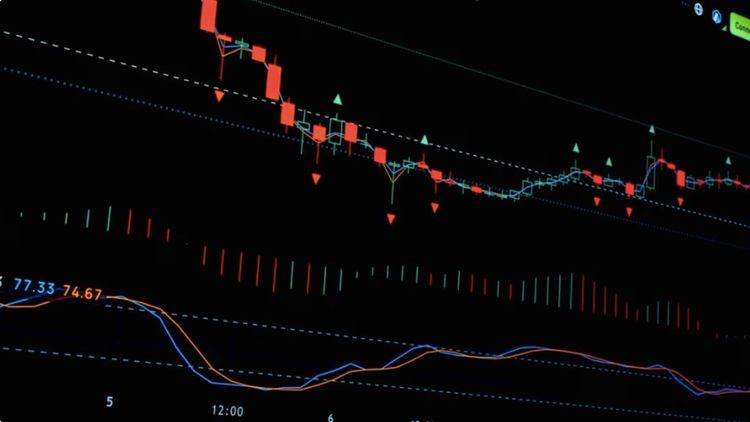
Bitcoin's price moves rapidly, with 10-20% weekly swings being common. Drops of 50%+ within months sometimes occur, followed by recovery. This volatility doesn't suit everyone.
Price-swing drivers include:
Relatively small market. Bitcoin's market value, while substantial, remains small relative to gold or US stocks. Smaller markets fluctuate more sharply.
Speculation. Many traders buy Bitcoin expecting higher future prices, amplifying movements in both directions.
News and regulation. Major country announcements about crypto rules trigger rapid price reactions - up or down.
Global events. Central-bank rate changes or inflation spikes affect Bitcoin's price like stocks and bonds.
What you should know: only invest money you can afford to lose. Dollar-cost averaging (DCA) - buying fixed BTC amounts on a regular schedule - helps avoid perfect market timing and reduces timing pressure.
Bitcoin vs Bitcoin Cash
Bitcoin Cash is a separate digital coin that split from Bitcoin in August 2017 due to developer disagreements about handling growing transaction volumes.
Bitcoin maintained smaller blocks and added SegWit upgrades. Bitcoin Cash chose larger blocks (up to 32 MB) to process more transactions per block.
Comparative differences:
- Fees and speed: BCH typically features lower fees and faster confirmations for everyday payments.
- Market size: Bitcoin commands a much larger market value, more users, and wider acceptance. BCH holds a significantly smaller market share.
- Approach: Bitcoin prioritizes security using additional layers like the Lightning Network for speed. BCH attempts to handle everything on the main chain.
For beginners, Bitcoin (BTC) deserves primary focus. Bitcoin Cash is a separate coin with its own community.
Types of Bitcoin Wallets
Before purchasing Bitcoin, you need storage for it. Several bitcoin wallet types exist, each storing private keys that prove BTC ownership.
Hot wallets (internet-connected). Phone or computer apps offering daily convenience but carrying higher risk due to constant online exposure. Popular options include Trust Wallet, MetaMask, and Exodus.
Cold wallets (offline). Small hardware devices storing keys away from the internet - the safest choice for larger holdings. Well-known brands include Ledger and Trezor.
Exchange wallets. When buying Bitcoin on platforms like EIDEX, coins sit in the platform's wallet. This suits trading but means the platform - not you - holds the keys.
Paper wallets. Printed sheets containing your private key and public address. Safe from online threats but easy to lose or damage.
Most people benefit from combining approaches: a hot wallet for daily use and a cold wallet for bulk holdings.
How to Buy Bitcoin
Getting your first Bitcoin is straightforward:
- Pick a platform. Choose a trusted exchange offering strong security and fair fees.
- Create an account. Register and complete identity verification (KYC).
- Add funds. Deposit money through bank transfer, card, or another method.
- Buy BTC. Place a market order (instant) or a limit order (at your desired price).
- Keep it safe. Consider moving larger amounts to your own wallet.
On EIDEX, buying Bitcoin takes just a few clicks. Our guide on crypto exchange vs. exchanger explains different purchasing methods and which fits your needs. For detailed step-by-step instructions, check the complete how to buy Bitcoin guide.
Trade on EIDEX: Bitcoin (BTC) price and trading.
What is the minimum amount needed to buy Bitcoin?
You can purchase Bitcoin fractions starting from just $1 on most platforms, including EIDEX. Bitcoin divides to 8 decimal places (0.00000001 BTC, called a “satoshi”), so whole coins aren't necessary.
Is Bitcoin safe to invest in?
Bitcoin has existed 15+ years as the most trusted digital coin, but all crypto carries risk. Regular 20-50% price swings occur frequently. Invest only what you can afford to lose, and consider dollar-cost averaging to spread risk over time.
How is Bitcoin different from regular money?
No government or bank controls Bitcoin. Its 21 million total supply is capped - no one can create more. All transfers are recorded on a public ledger and work around the clock across borders without intermediaries.
Who controls Bitcoin?
No single person, company, or government leads Bitcoin. Thousands of independent miners and node operators maintain the network. Rule changes require broader community consensus.
Can Bitcoin be turned into cash?
Yes. You can sell Bitcoin for local currency on most platforms, including EIDEX. The process typically takes minutes, with bank-account withdrawal available.
Is Bitcoin legal?
In most countries - yes, including the US, the EU, and much of Asia. Rules differ by country, and some places restrict or ban crypto trading. Check your local laws before you buy.
Blockchain is a distributed digital ledger that records transactions across a network of computers, making data transparent and tamper-proof.
Crypto mining is the process of validating transactions and adding them to the blockchain by solving complex mathematical puzzles using specialized hardware - and earning cryptocurrency rewards in return.
Crypto markets expert and head of content and marketing at EIDEX. Covers market structure, exchange infrastructure and cross-chain trading - turning on-chain data and market shifts into clear, actionable research for traders.